
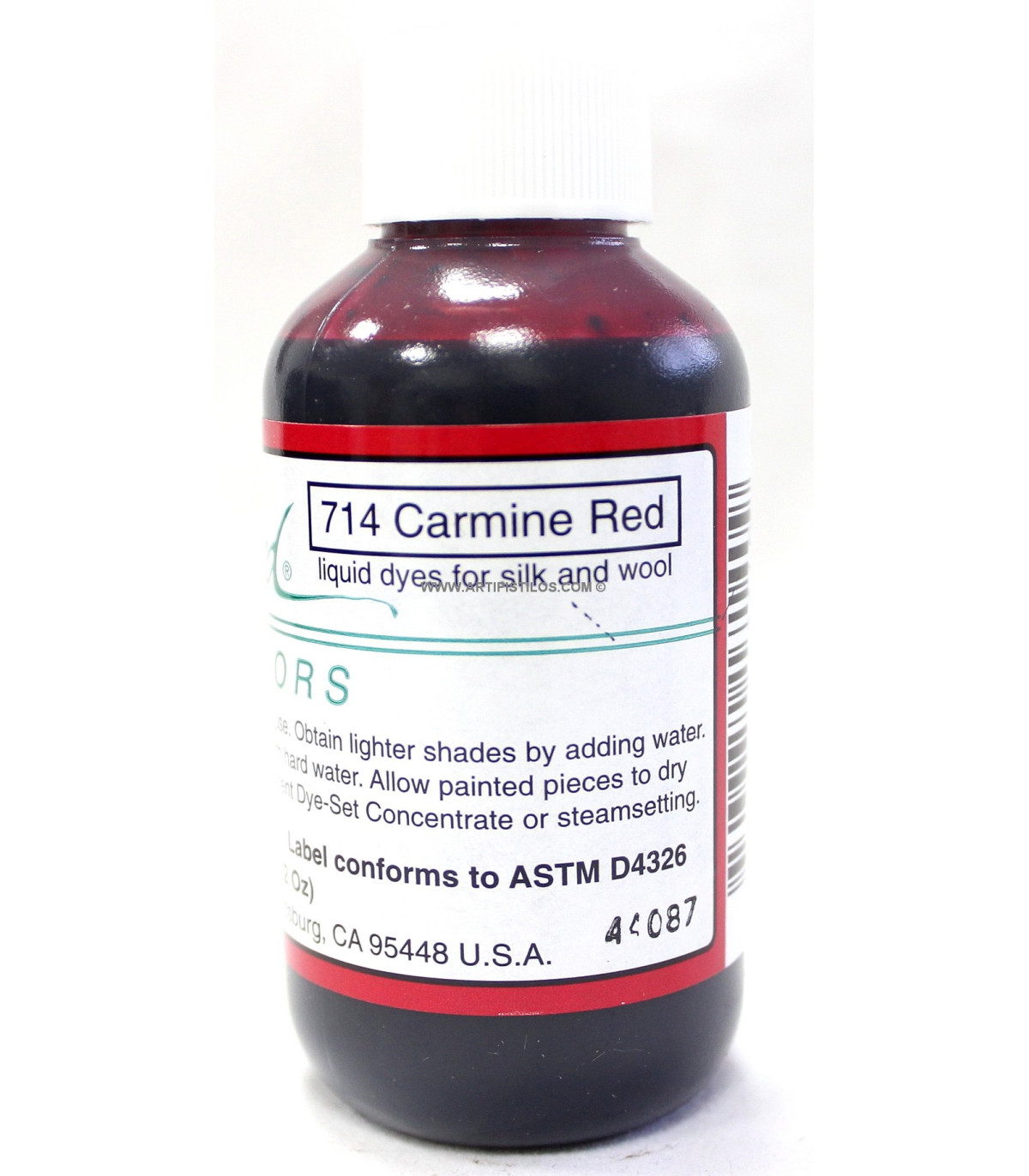
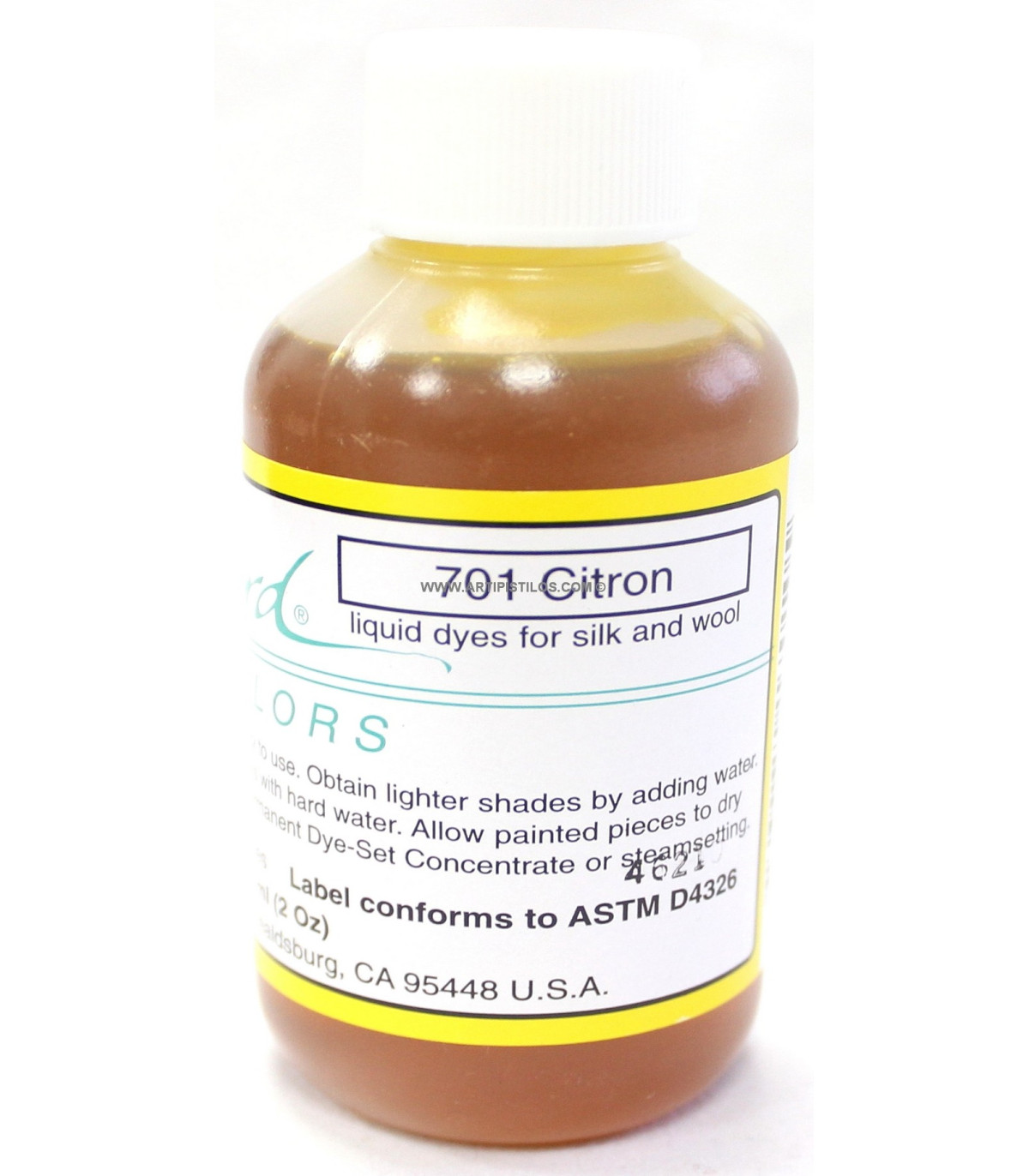
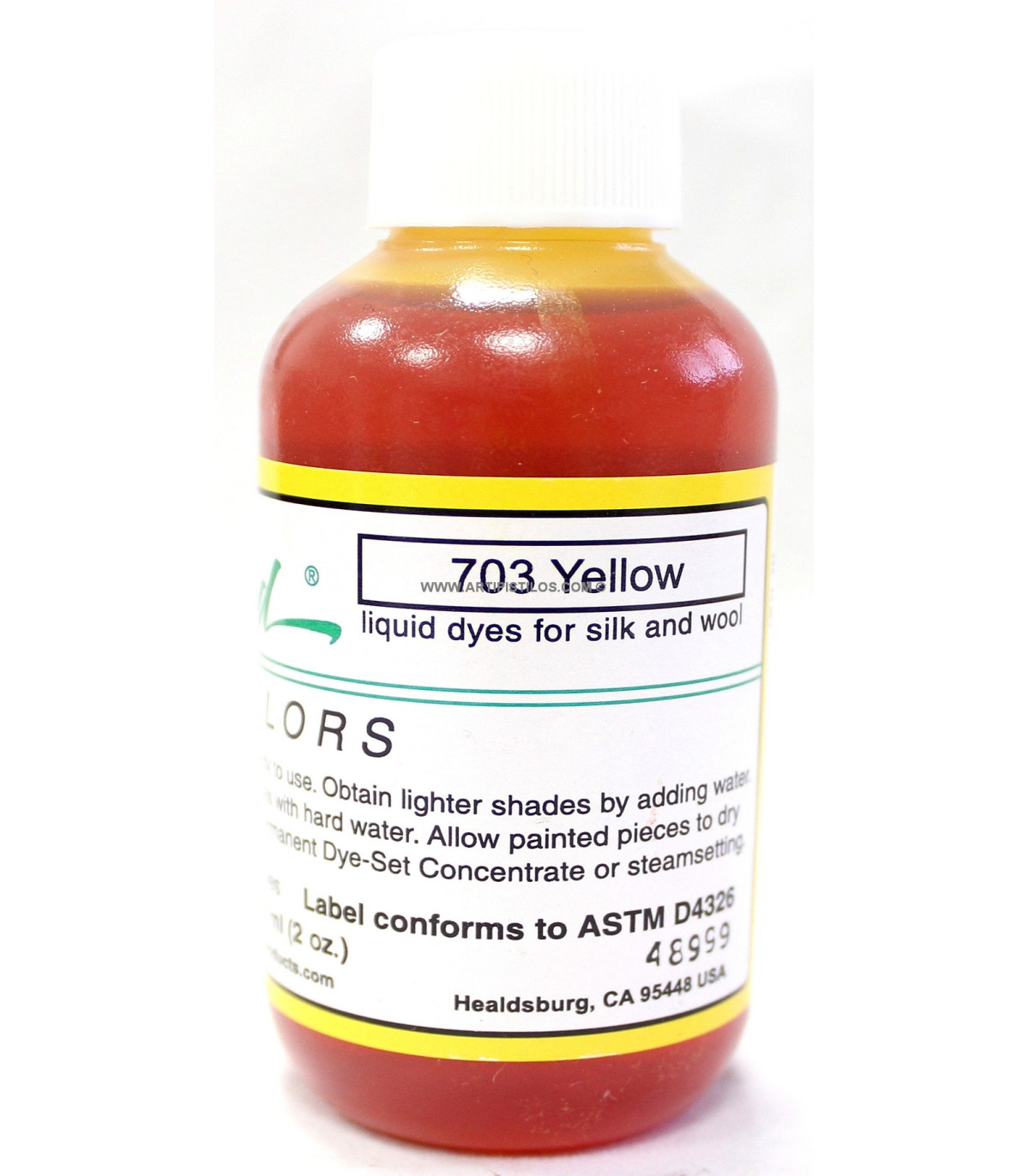
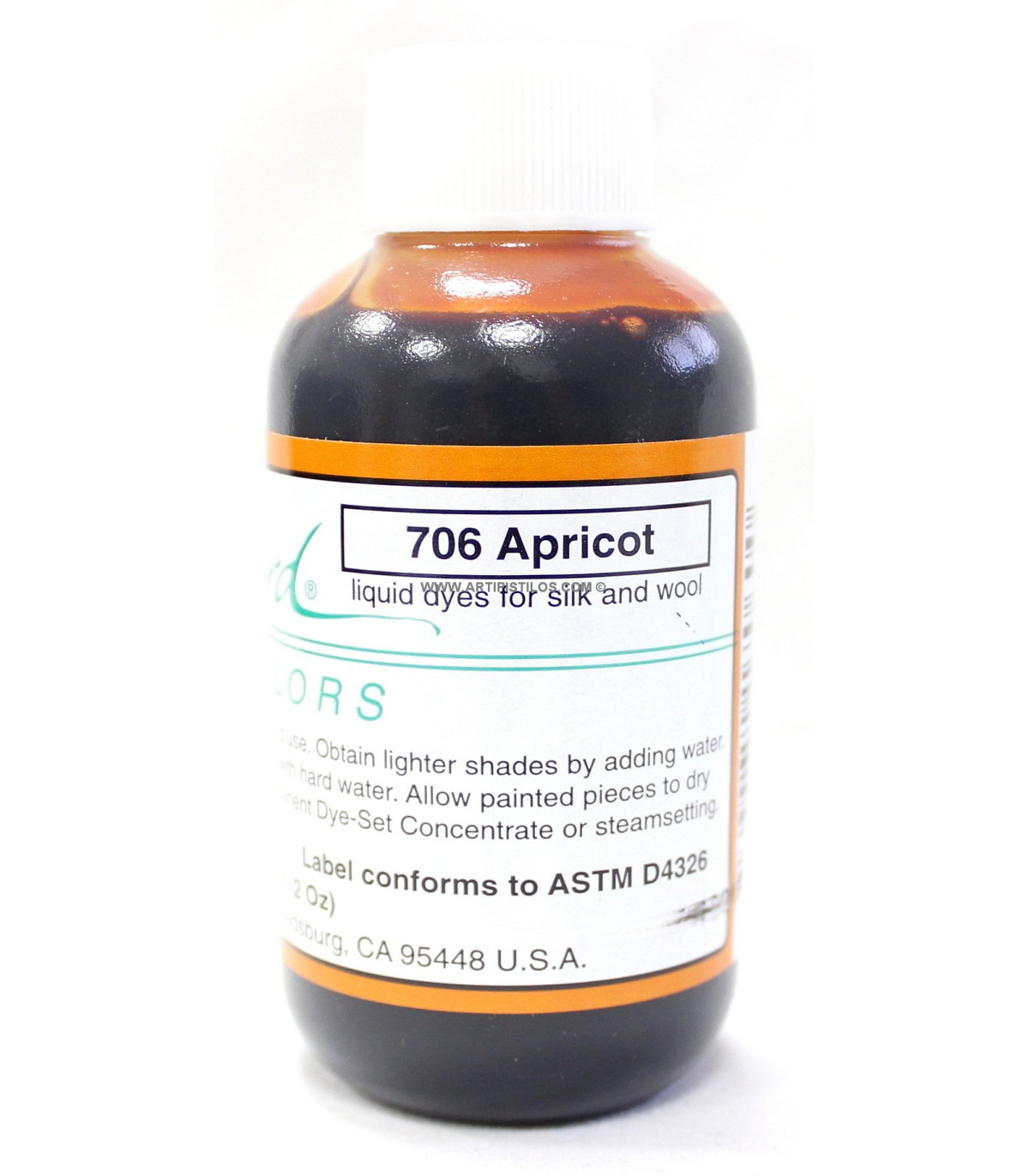
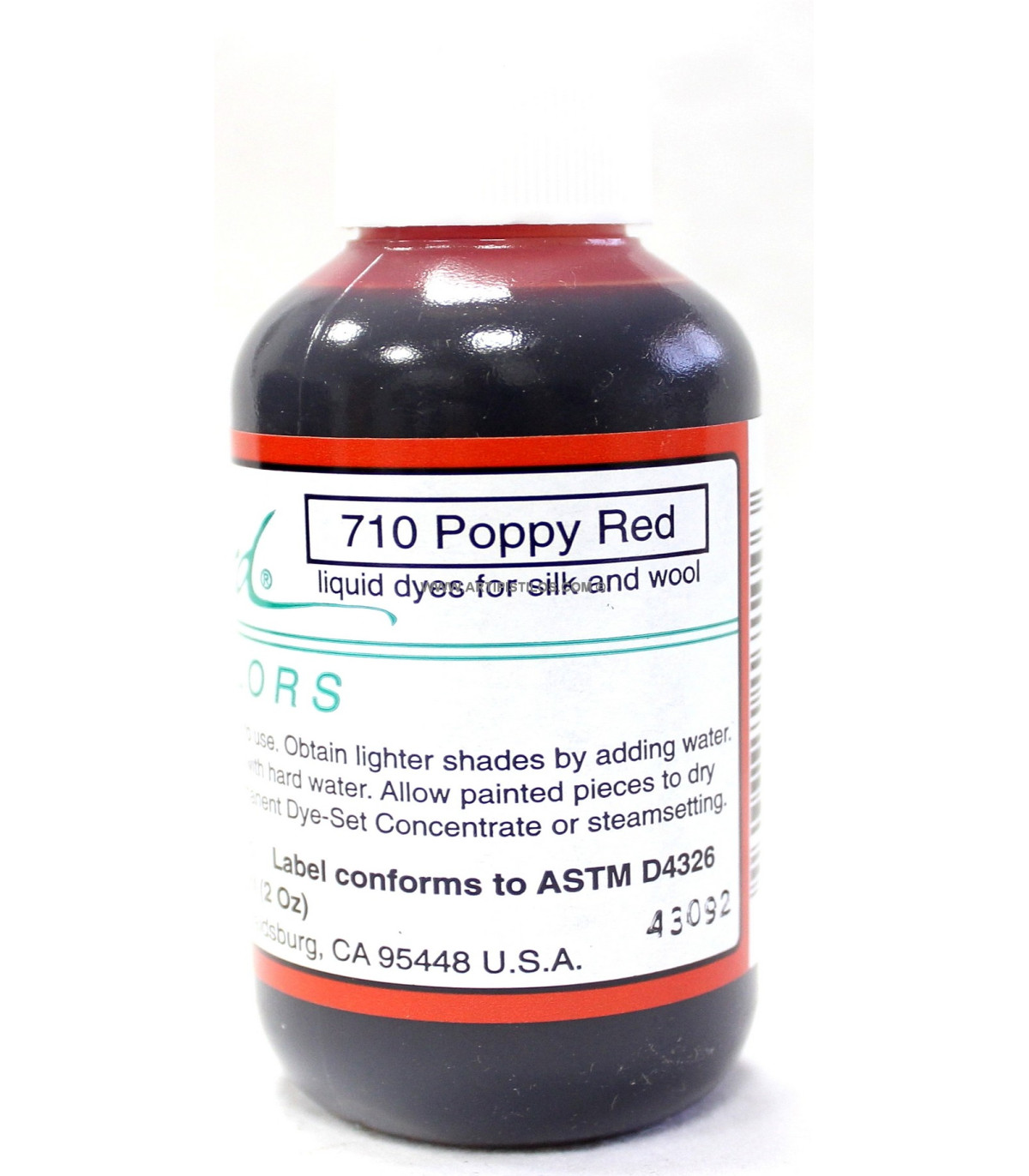
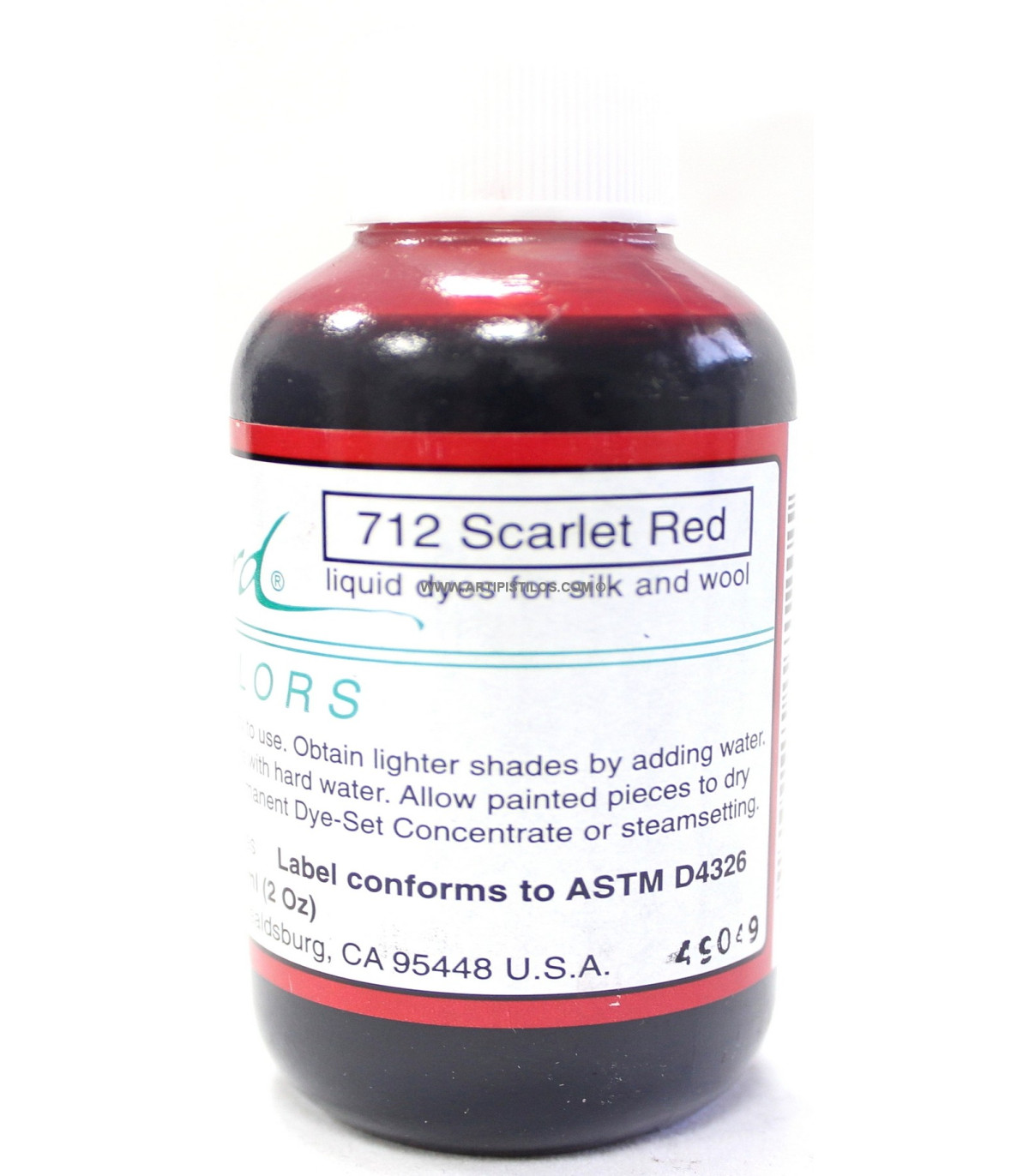
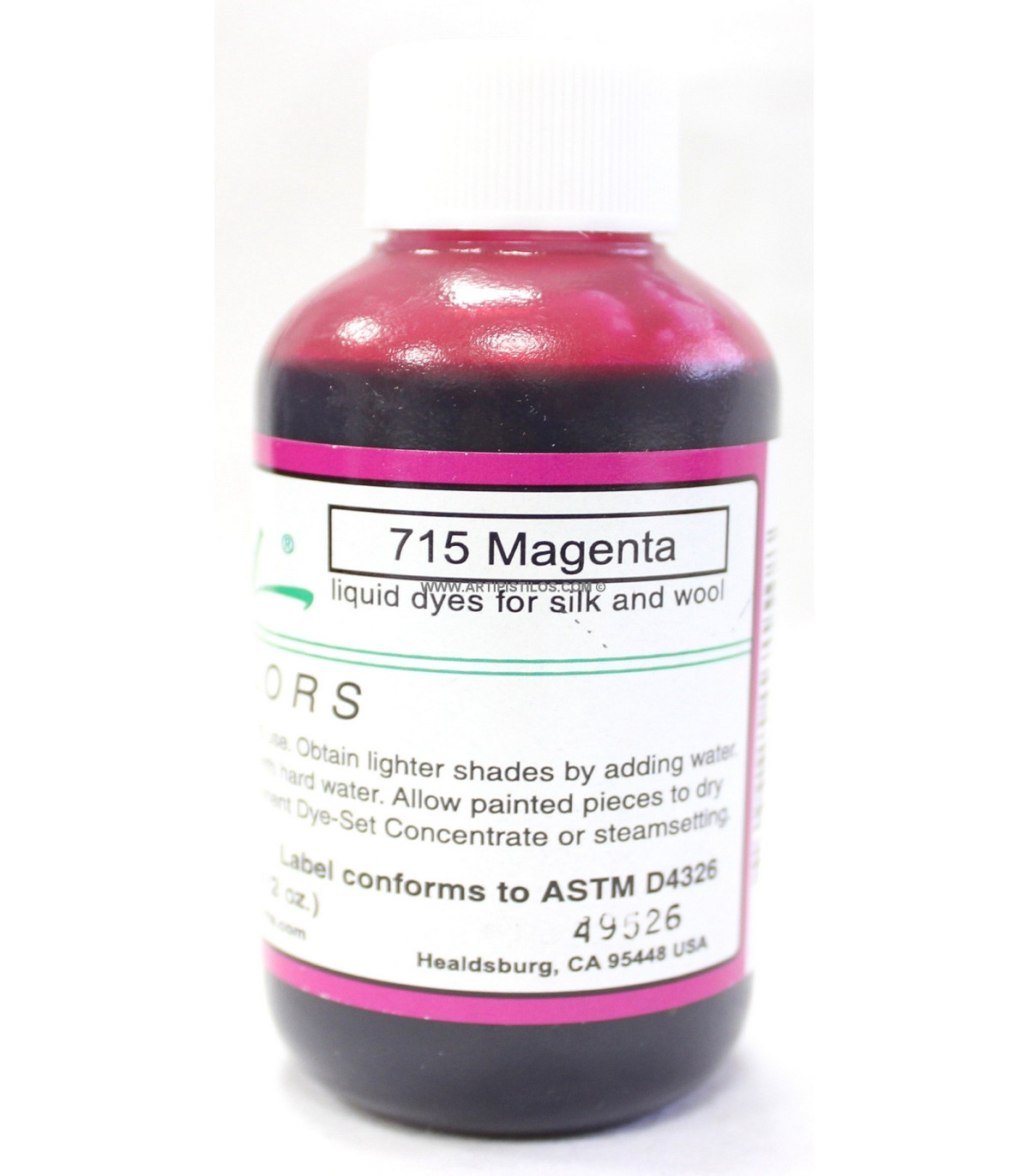
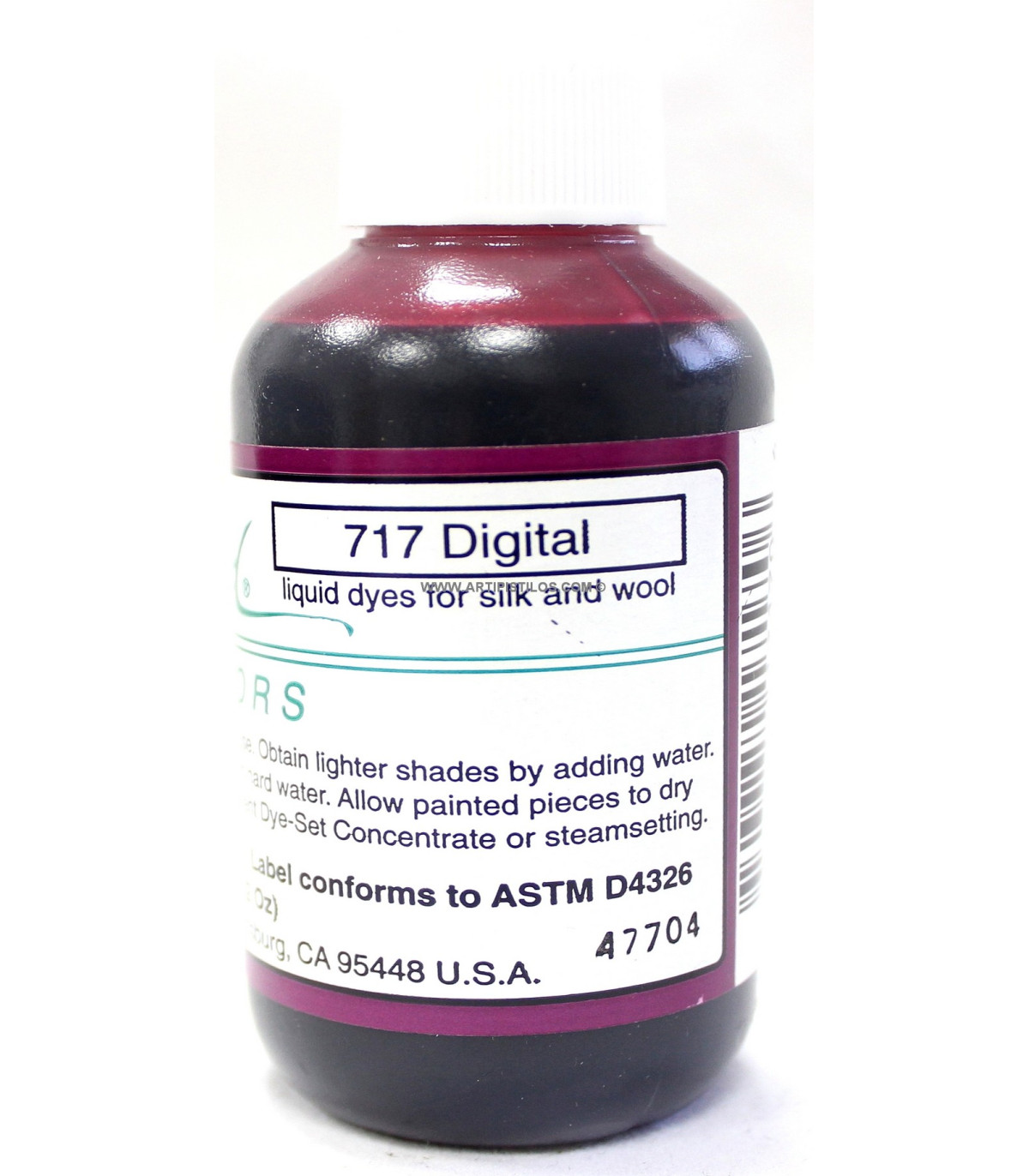
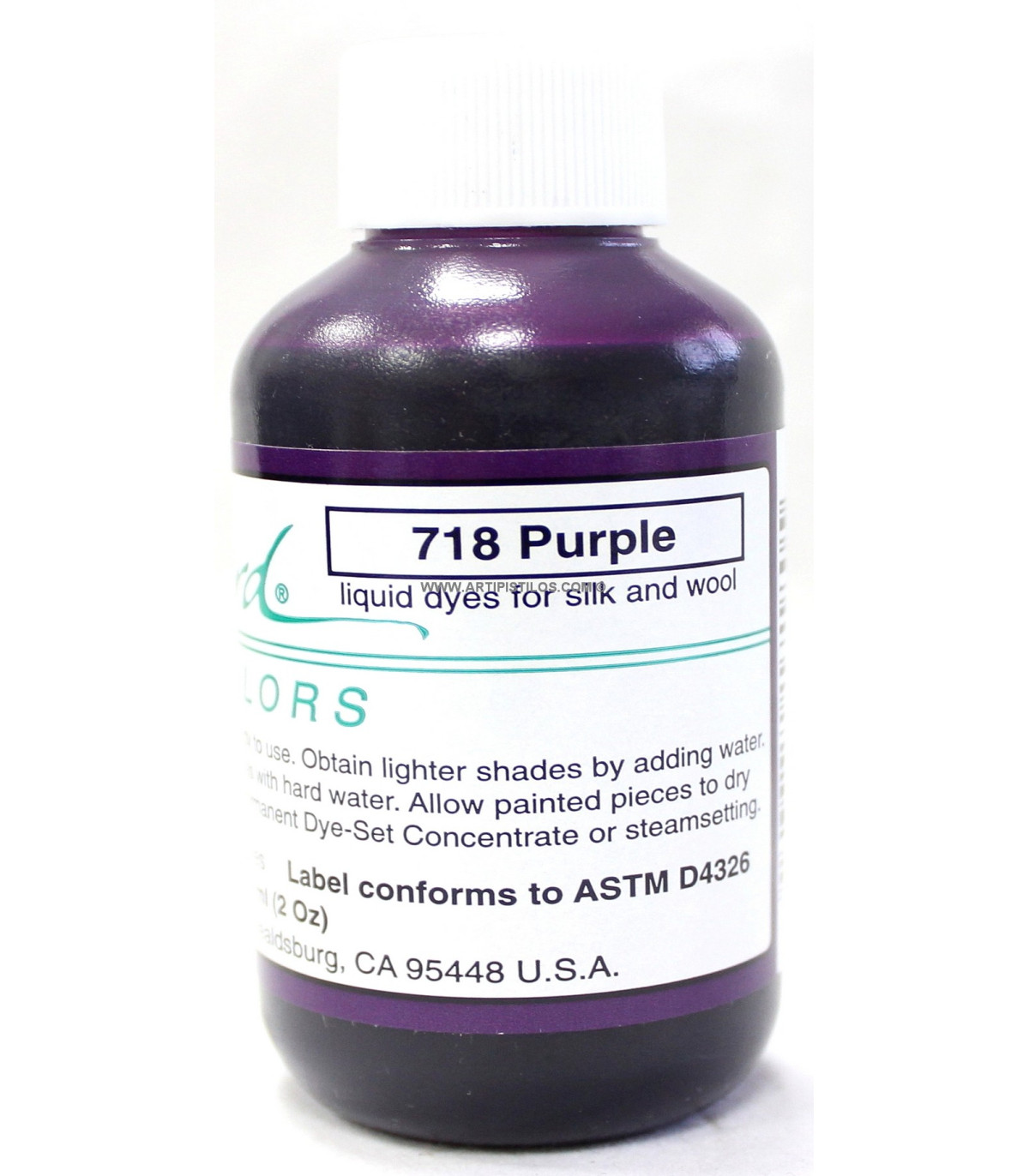
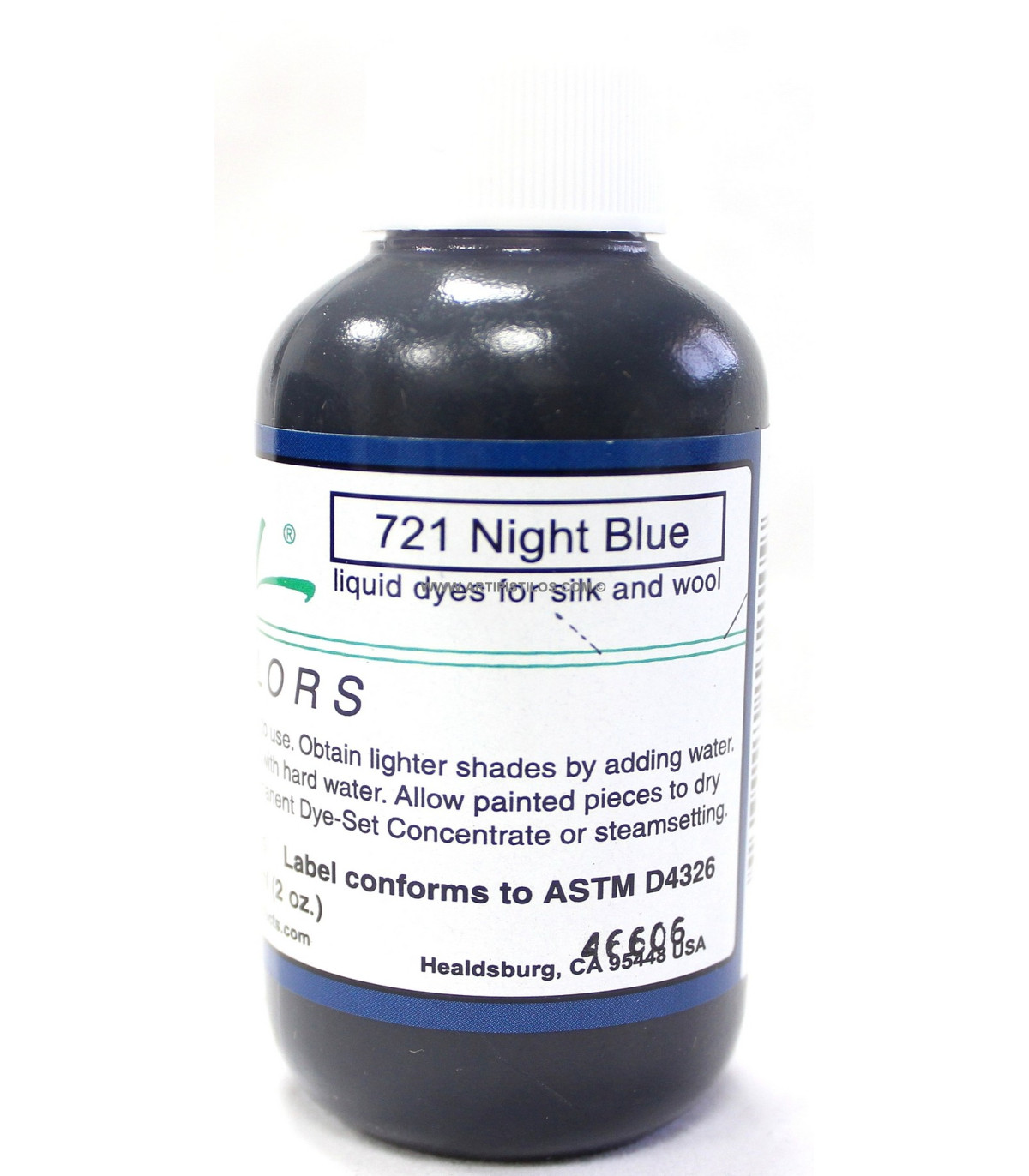
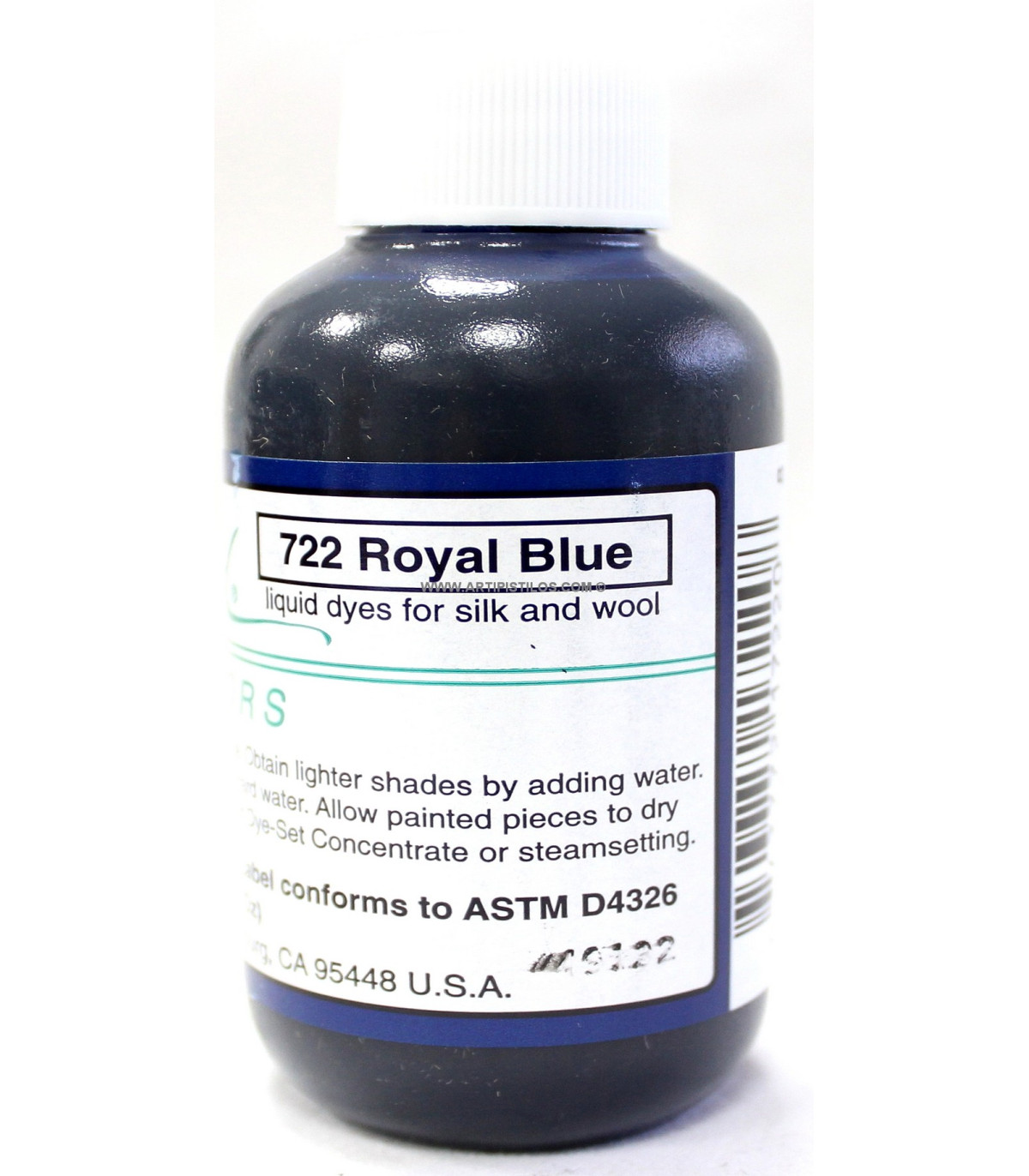
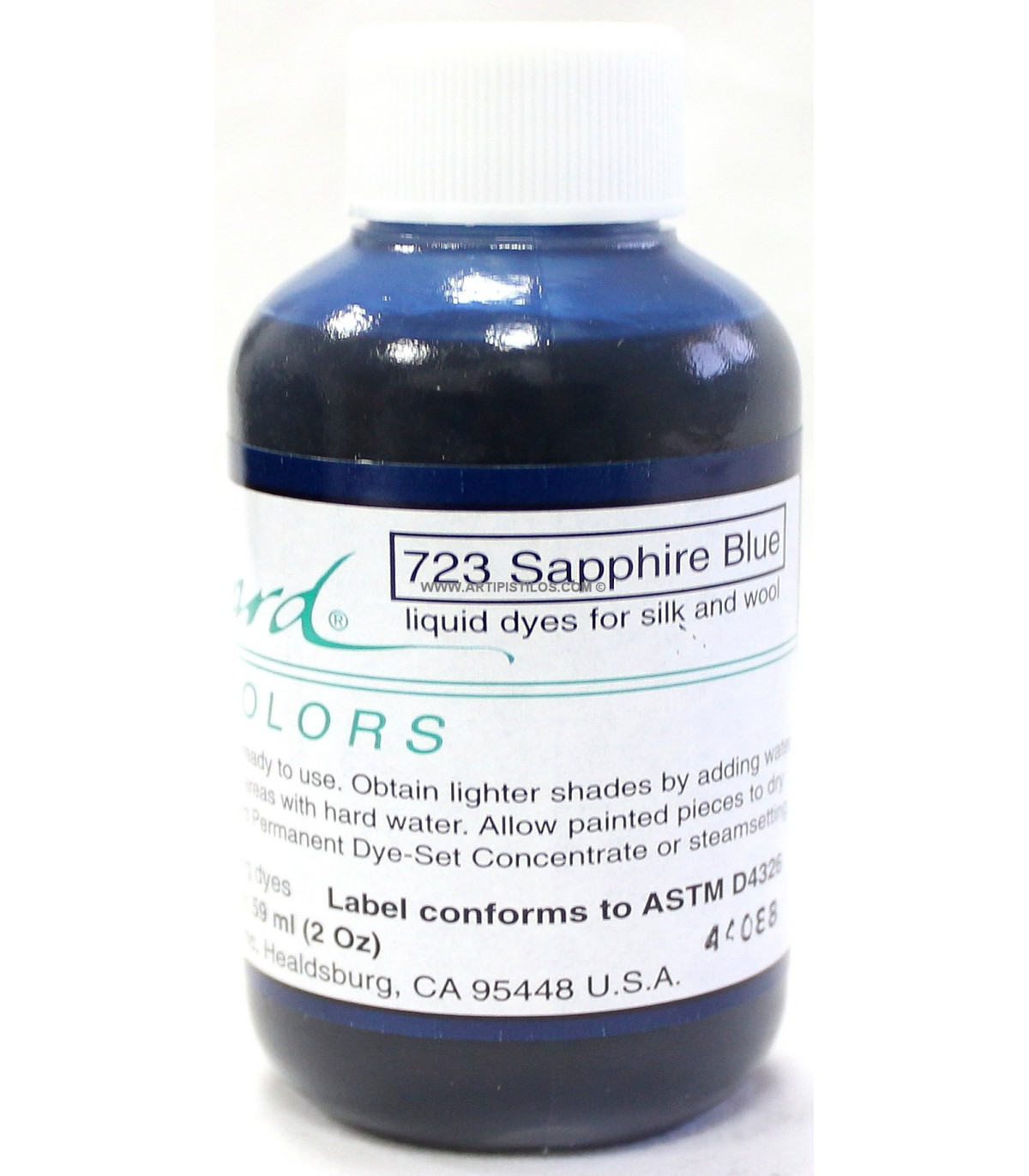
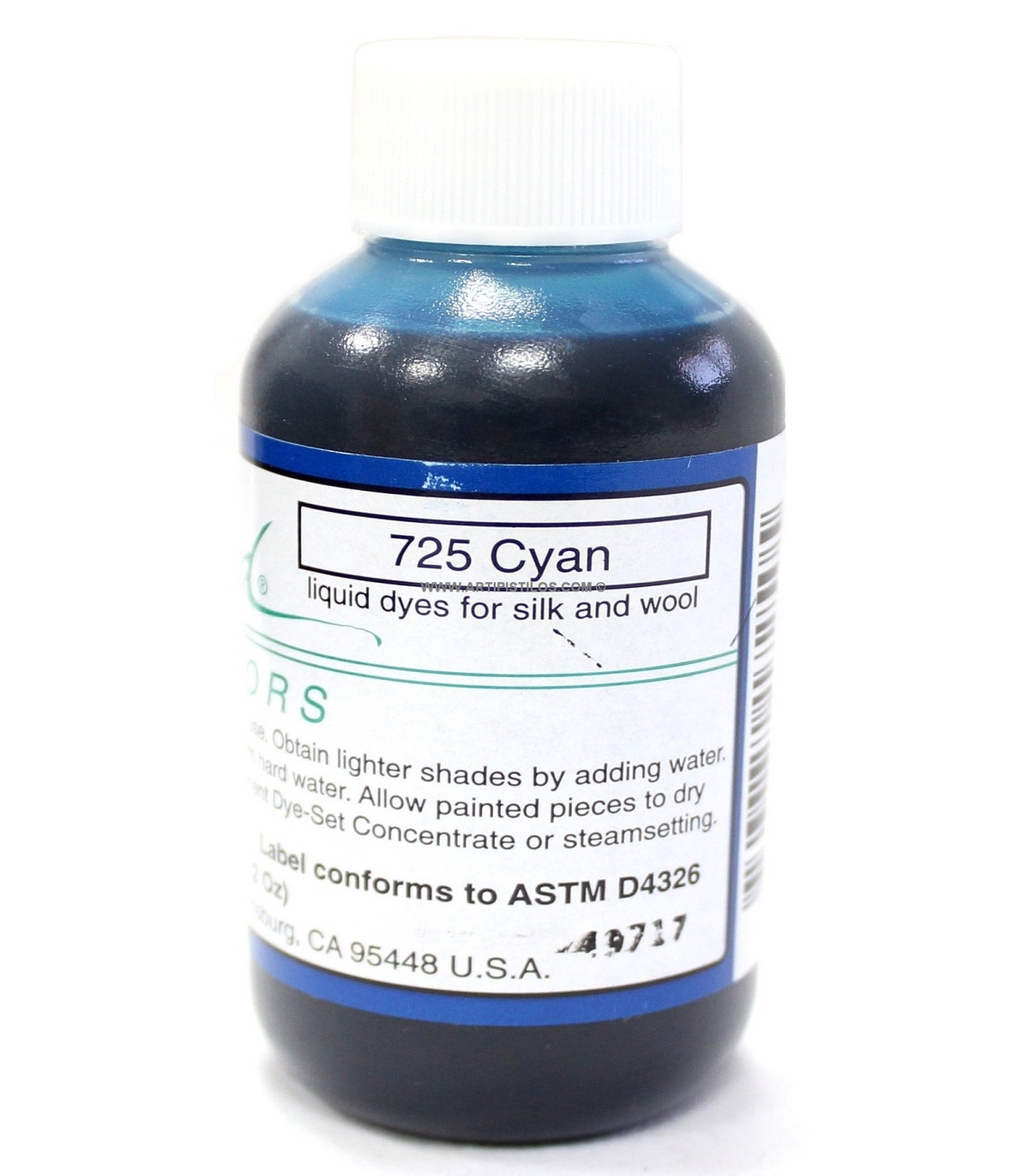
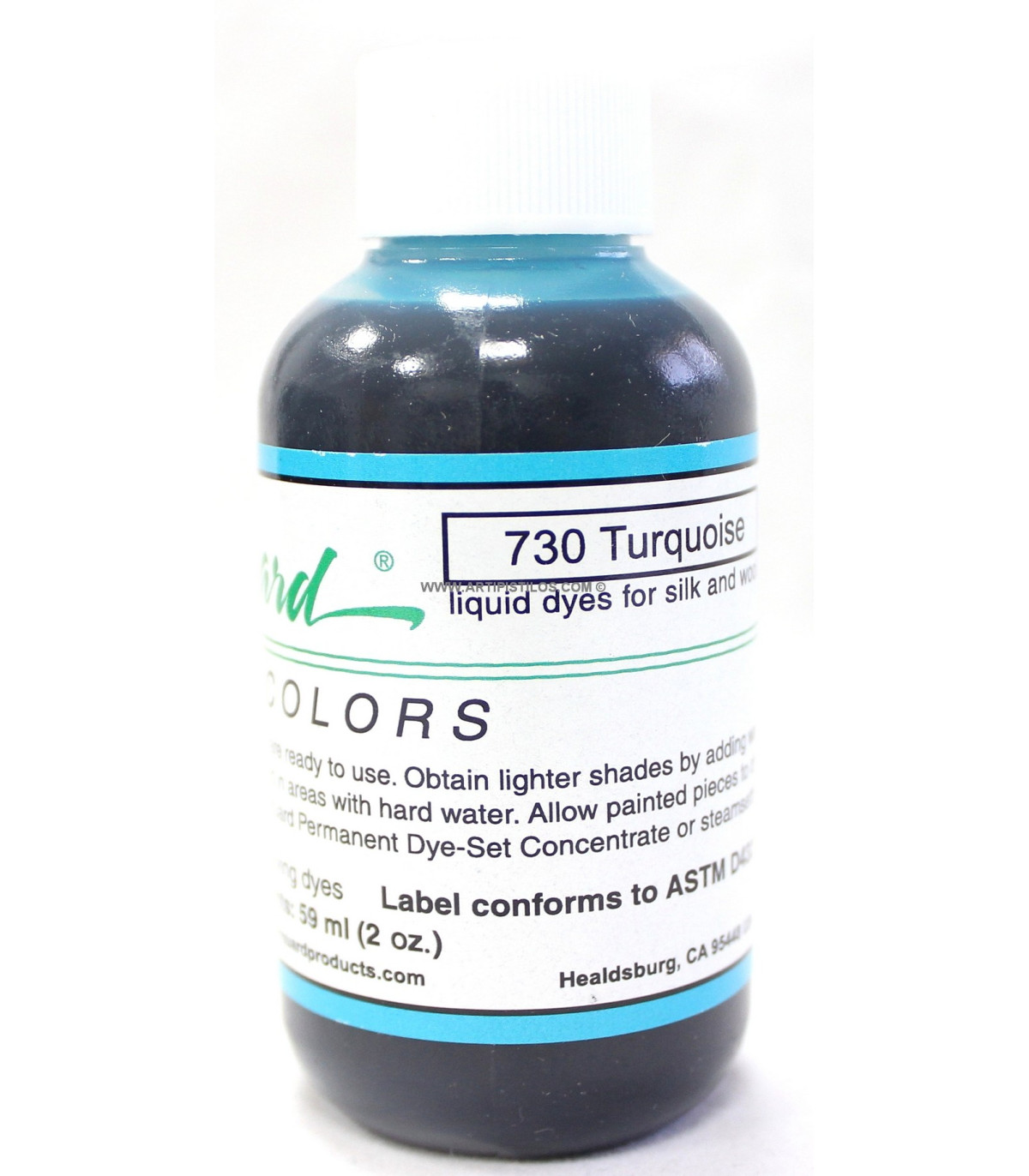
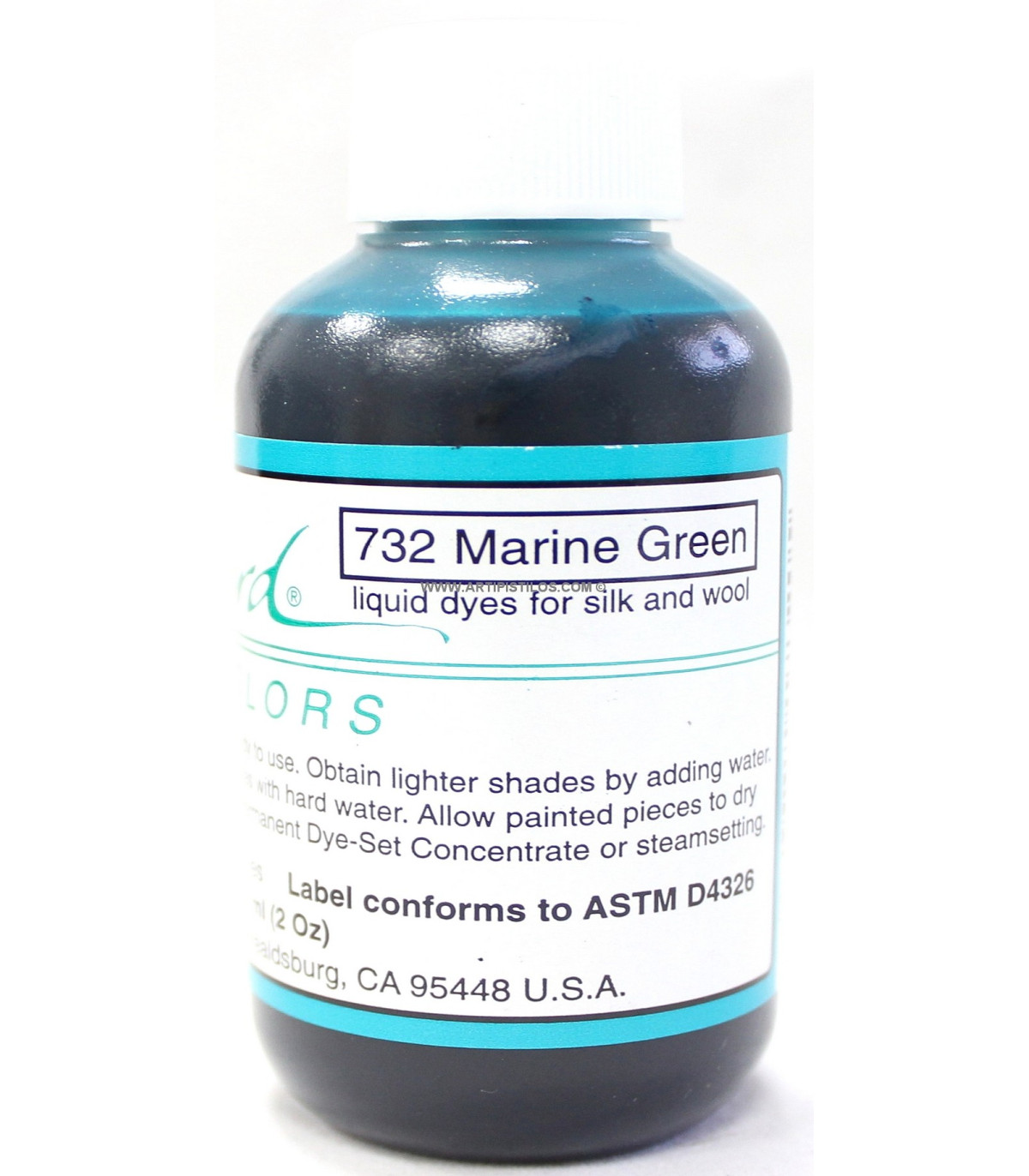
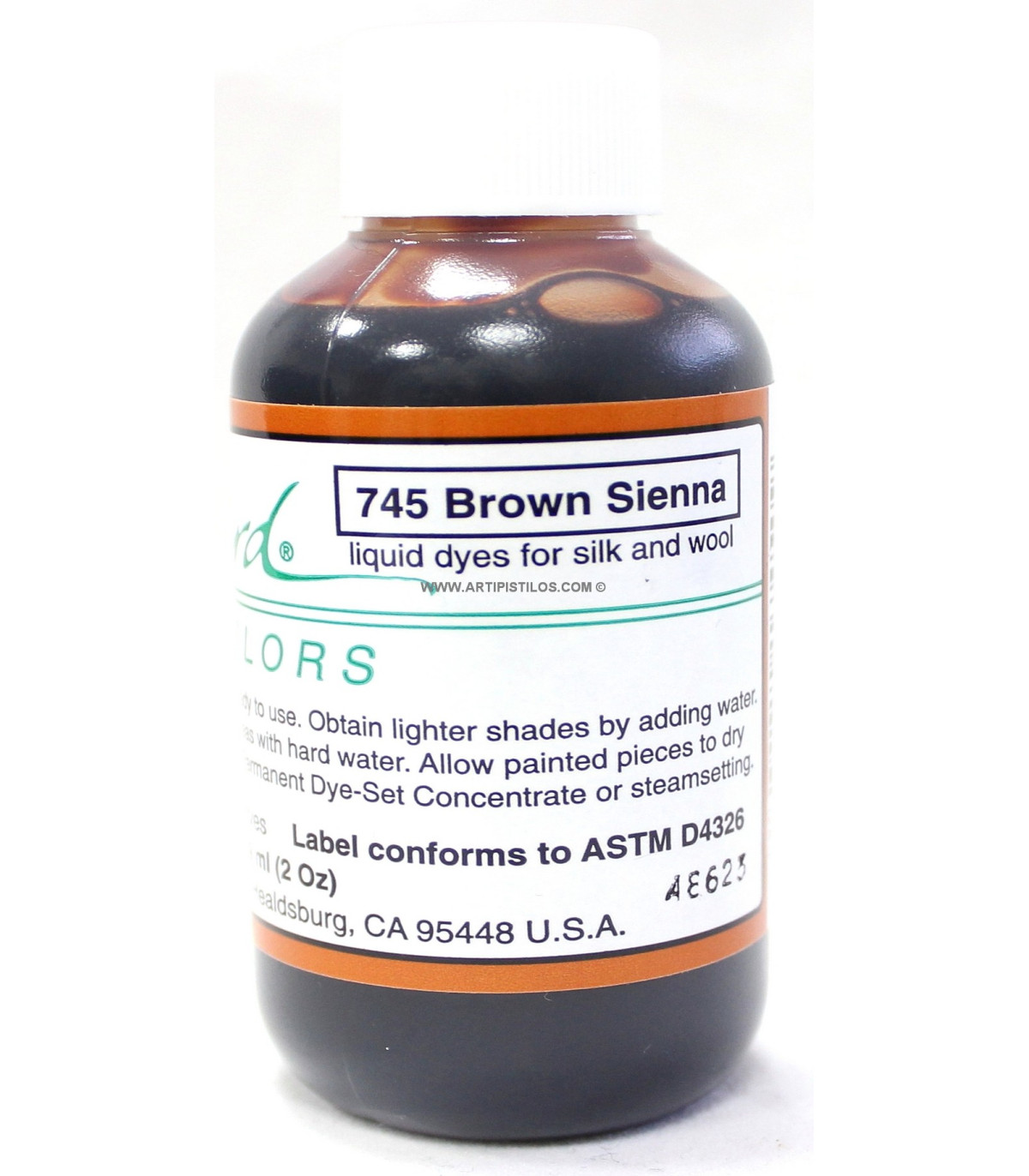
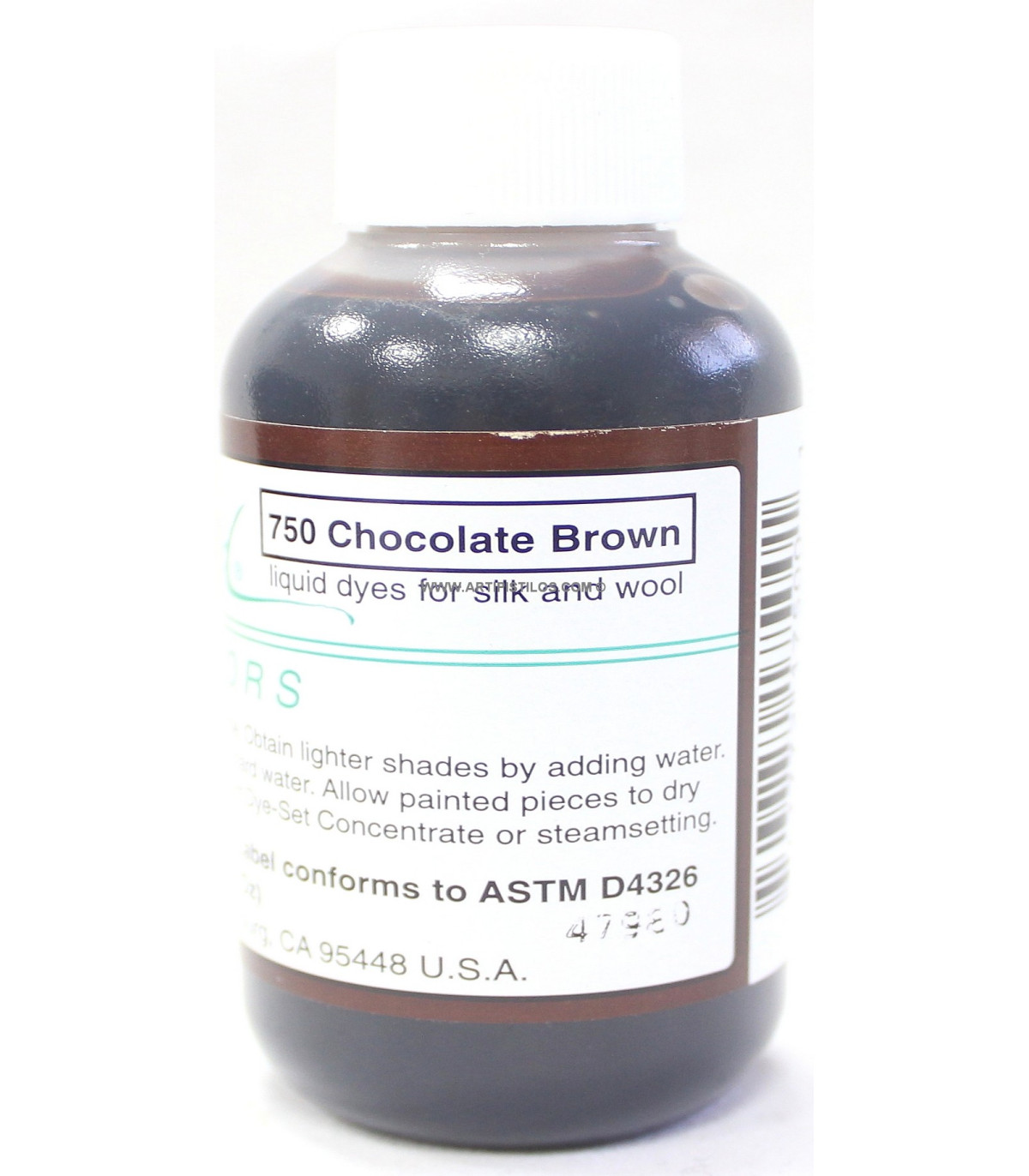
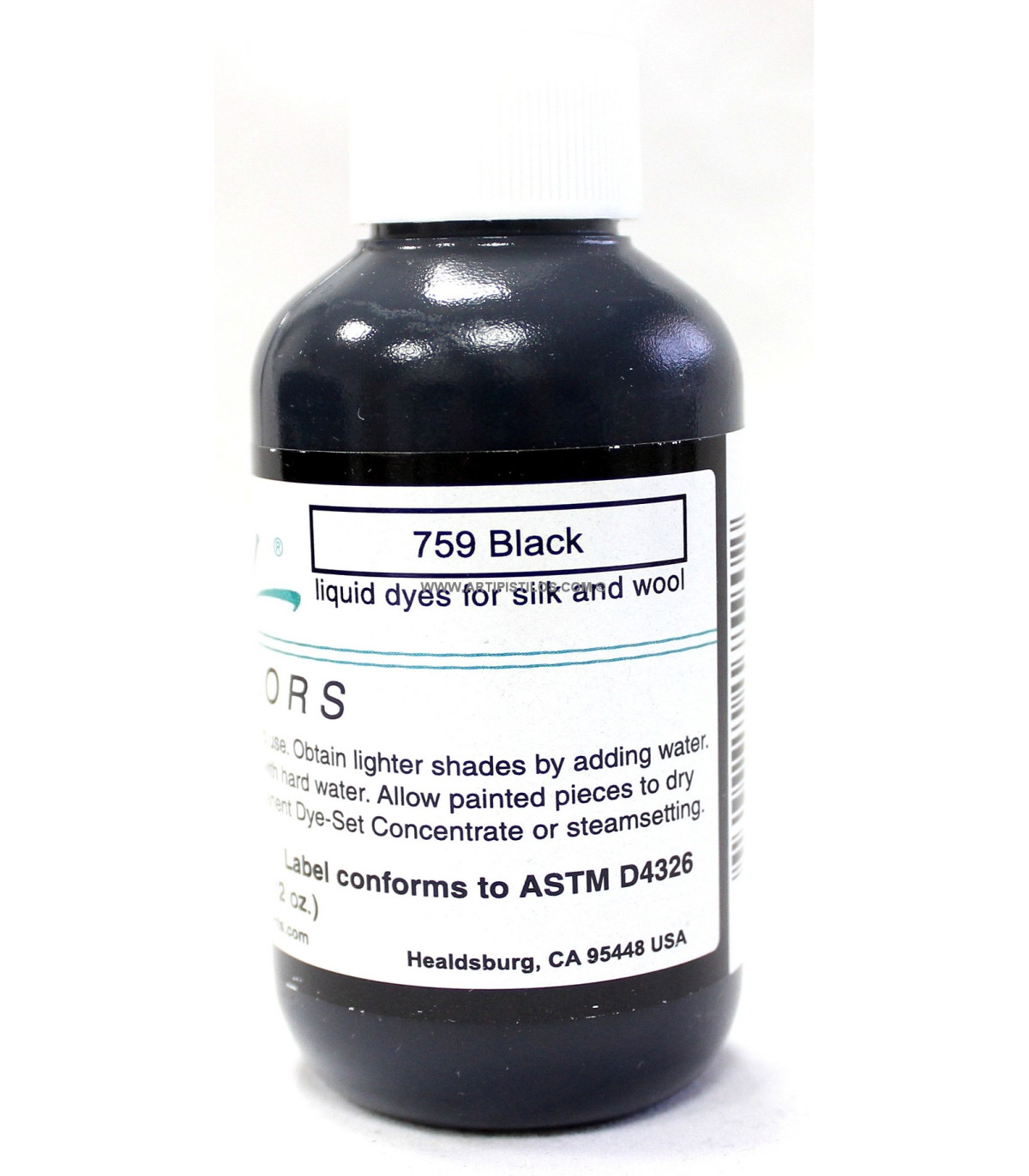


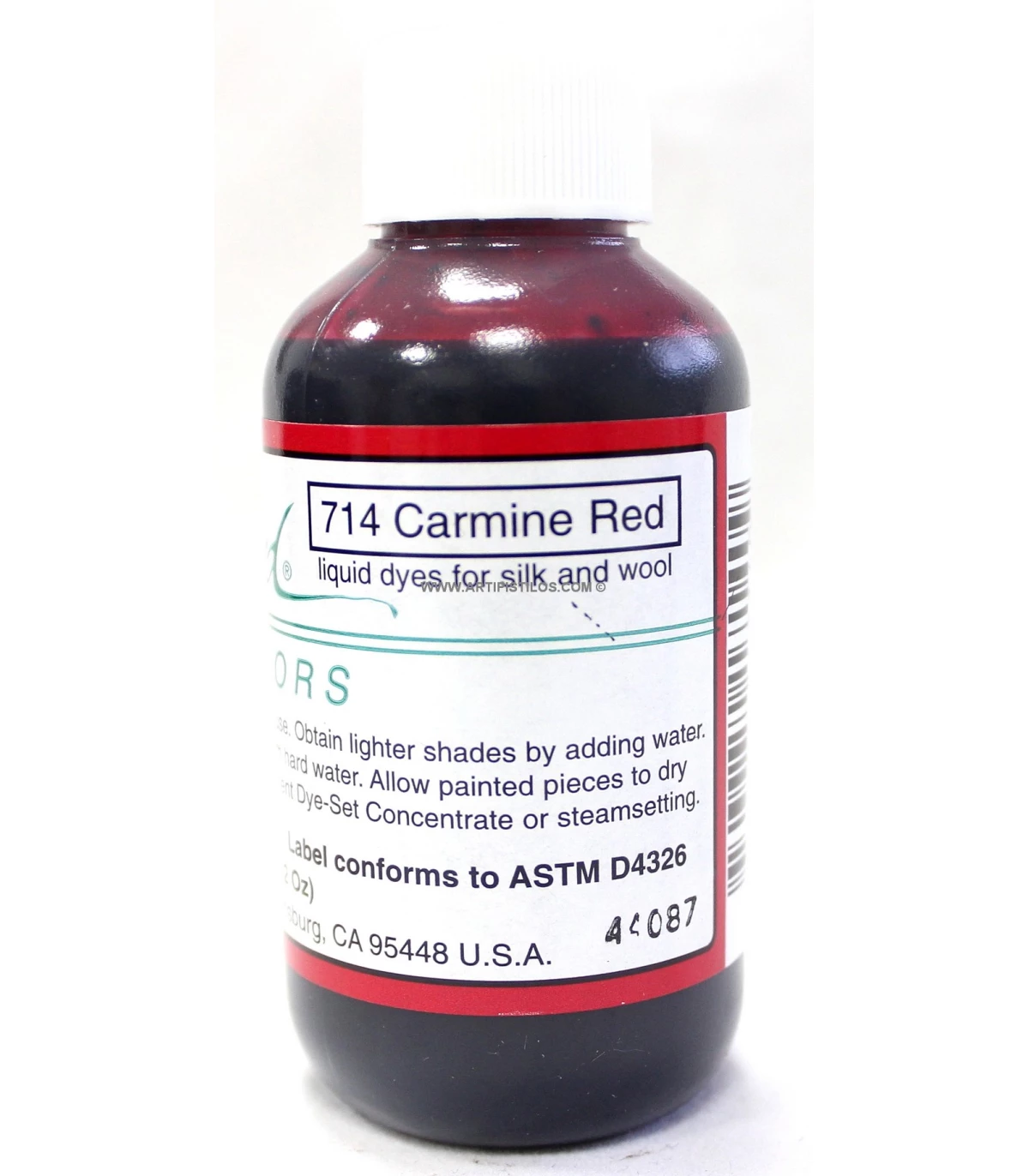
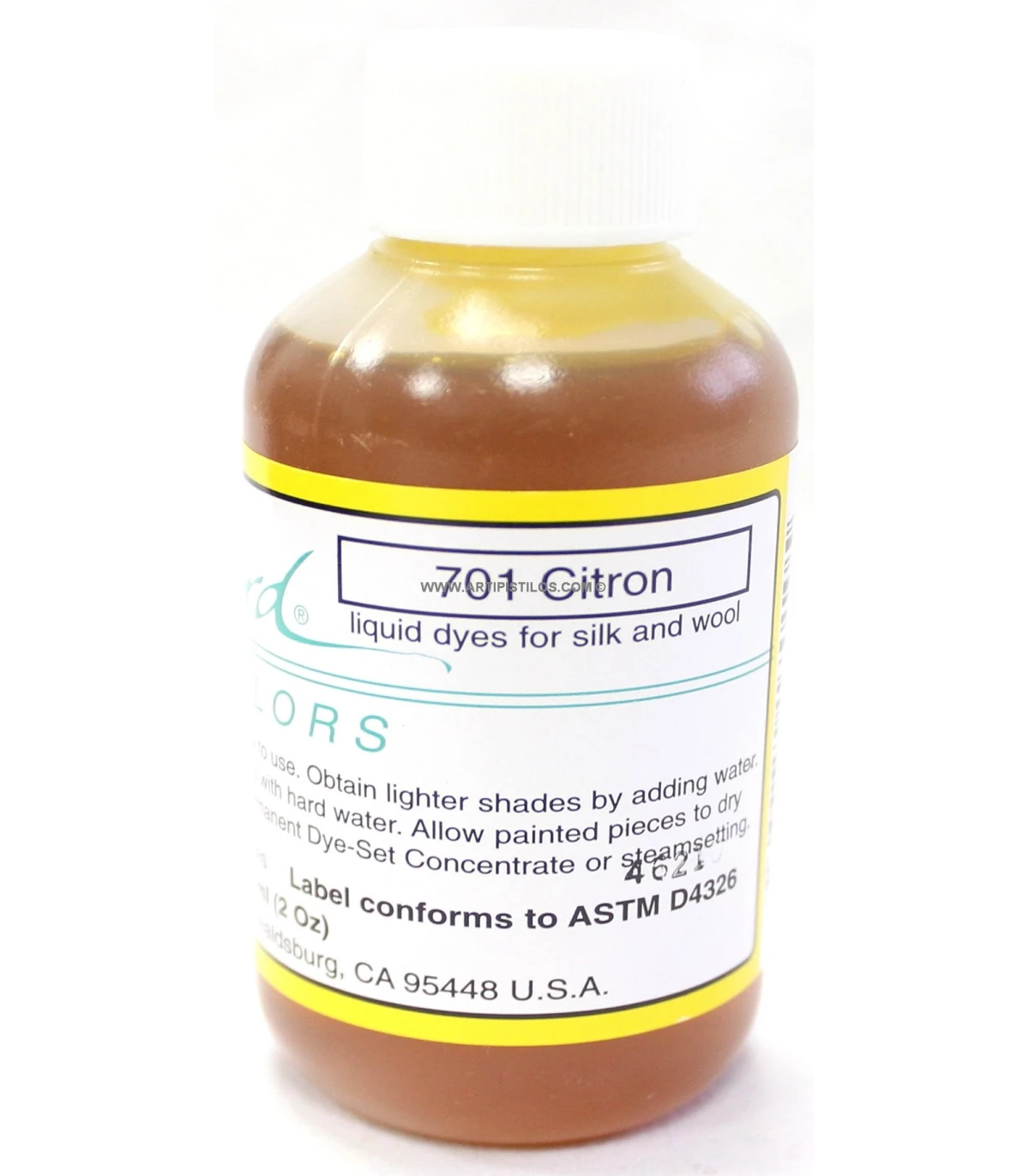
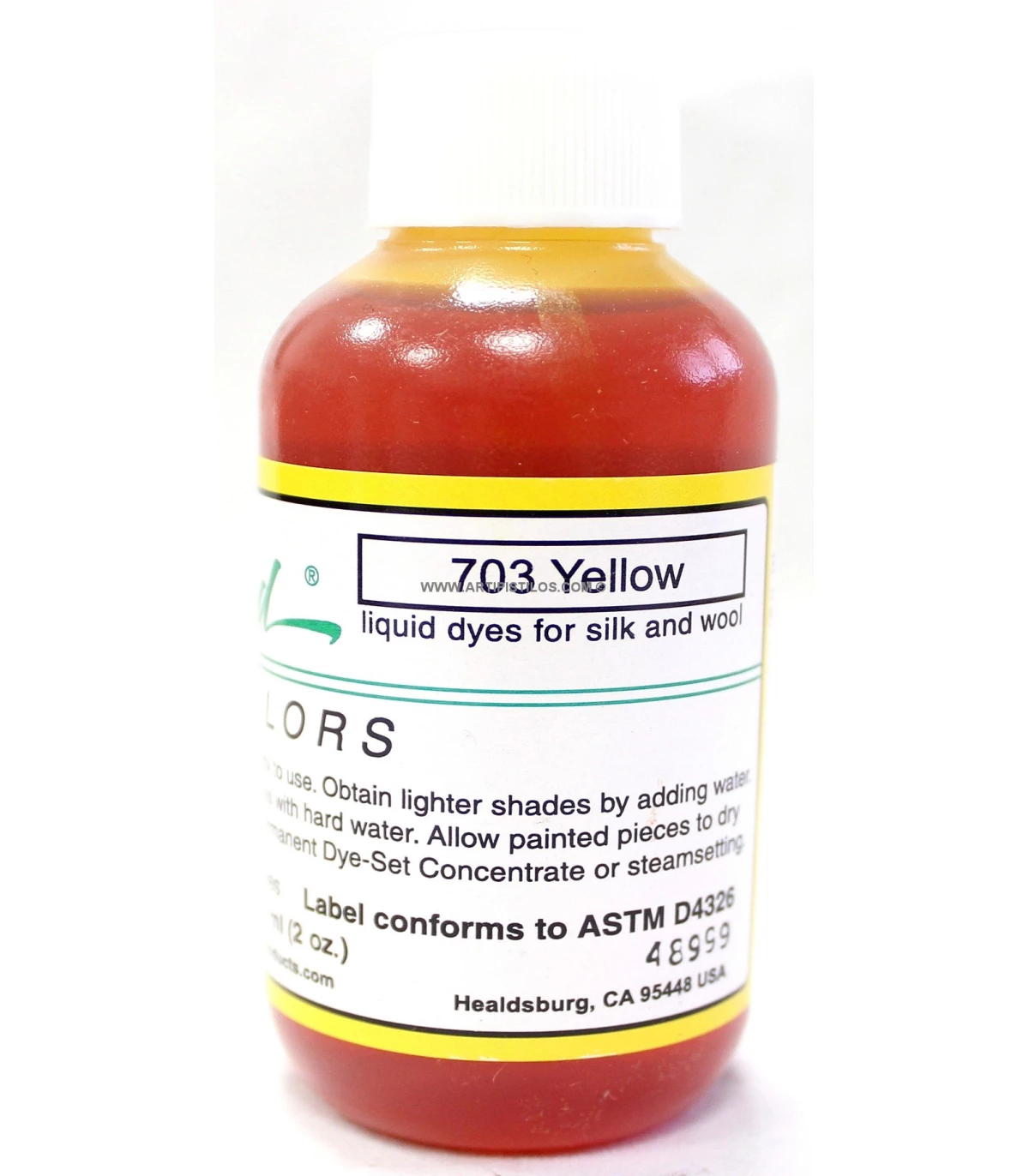
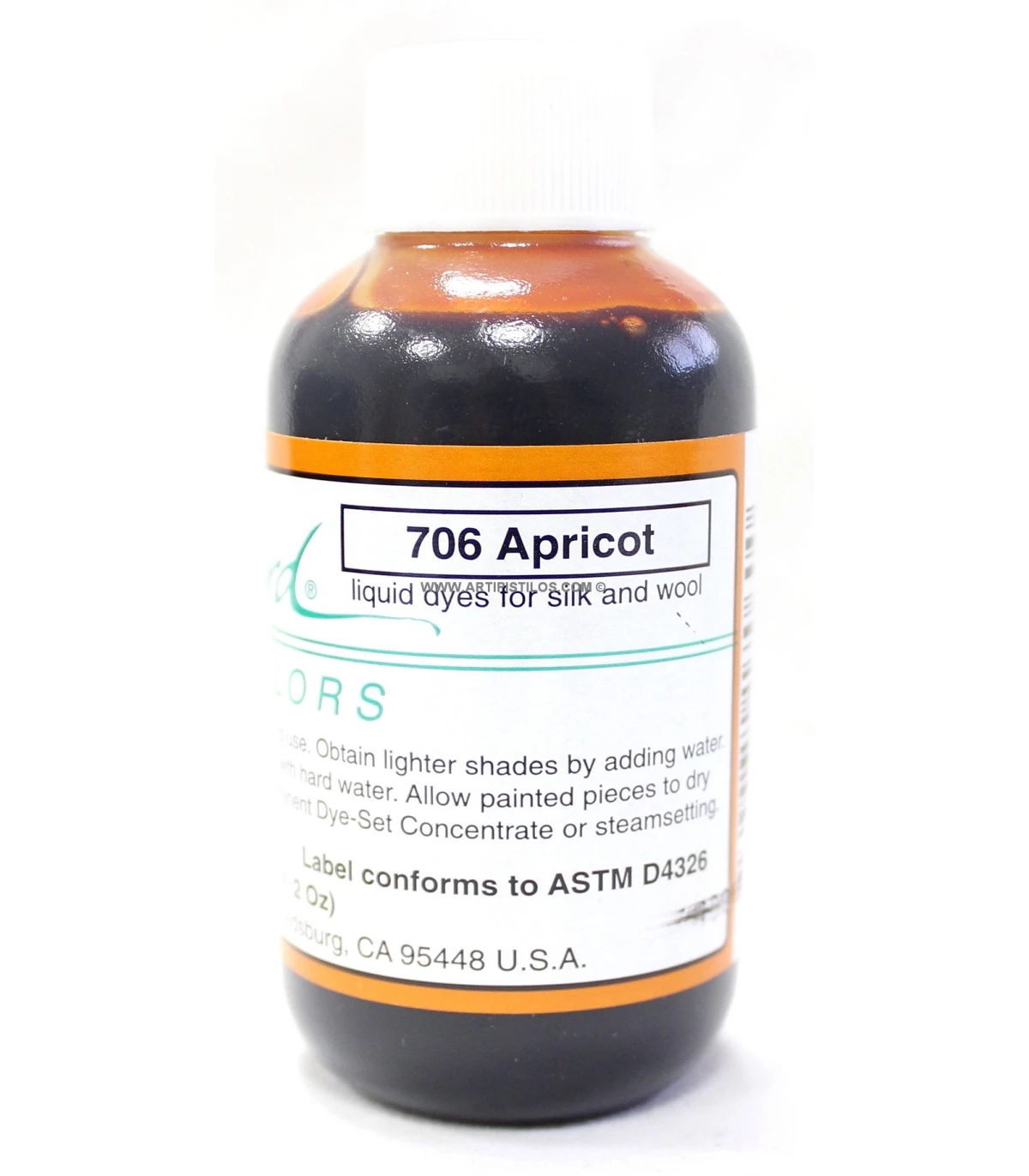
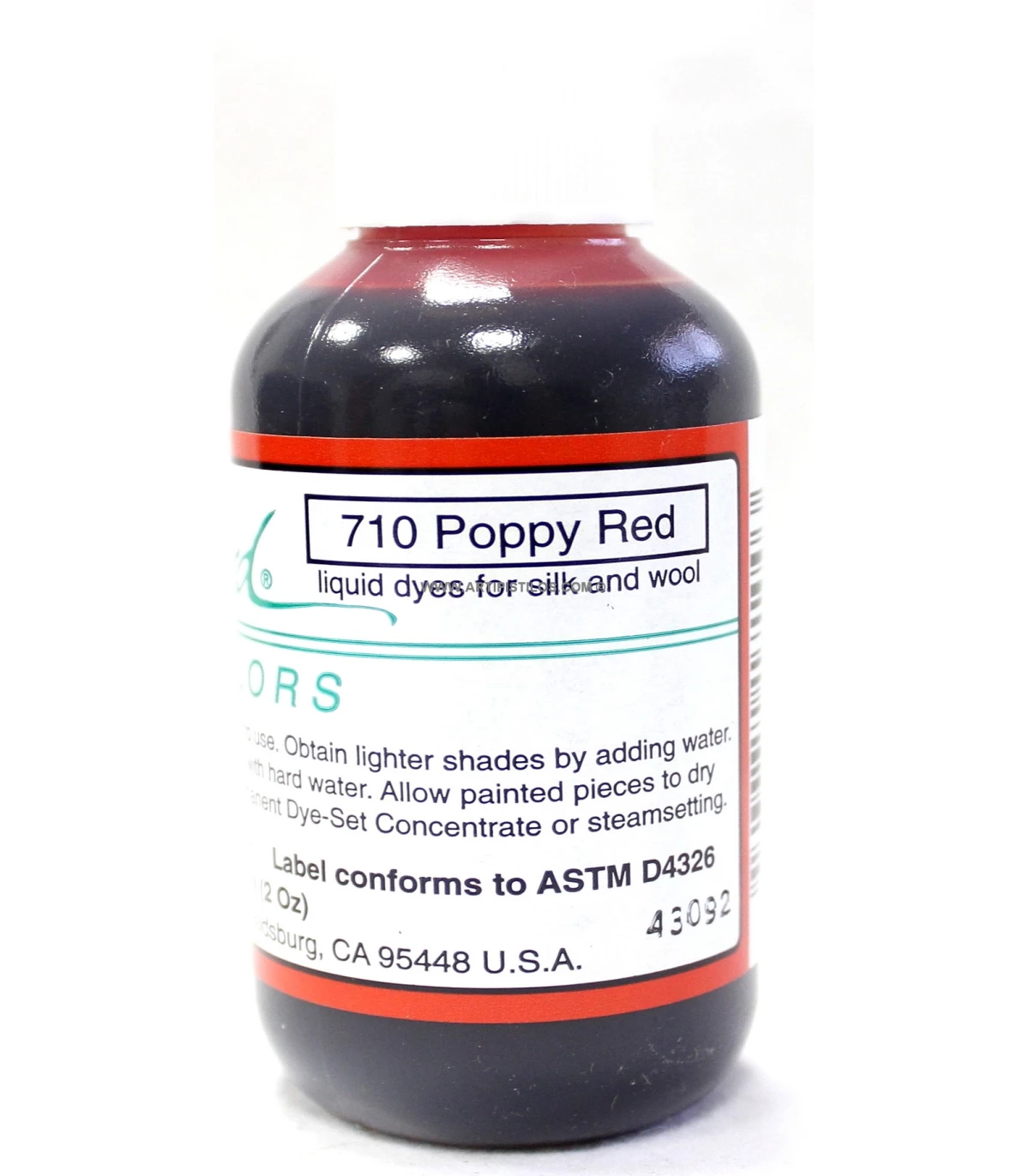
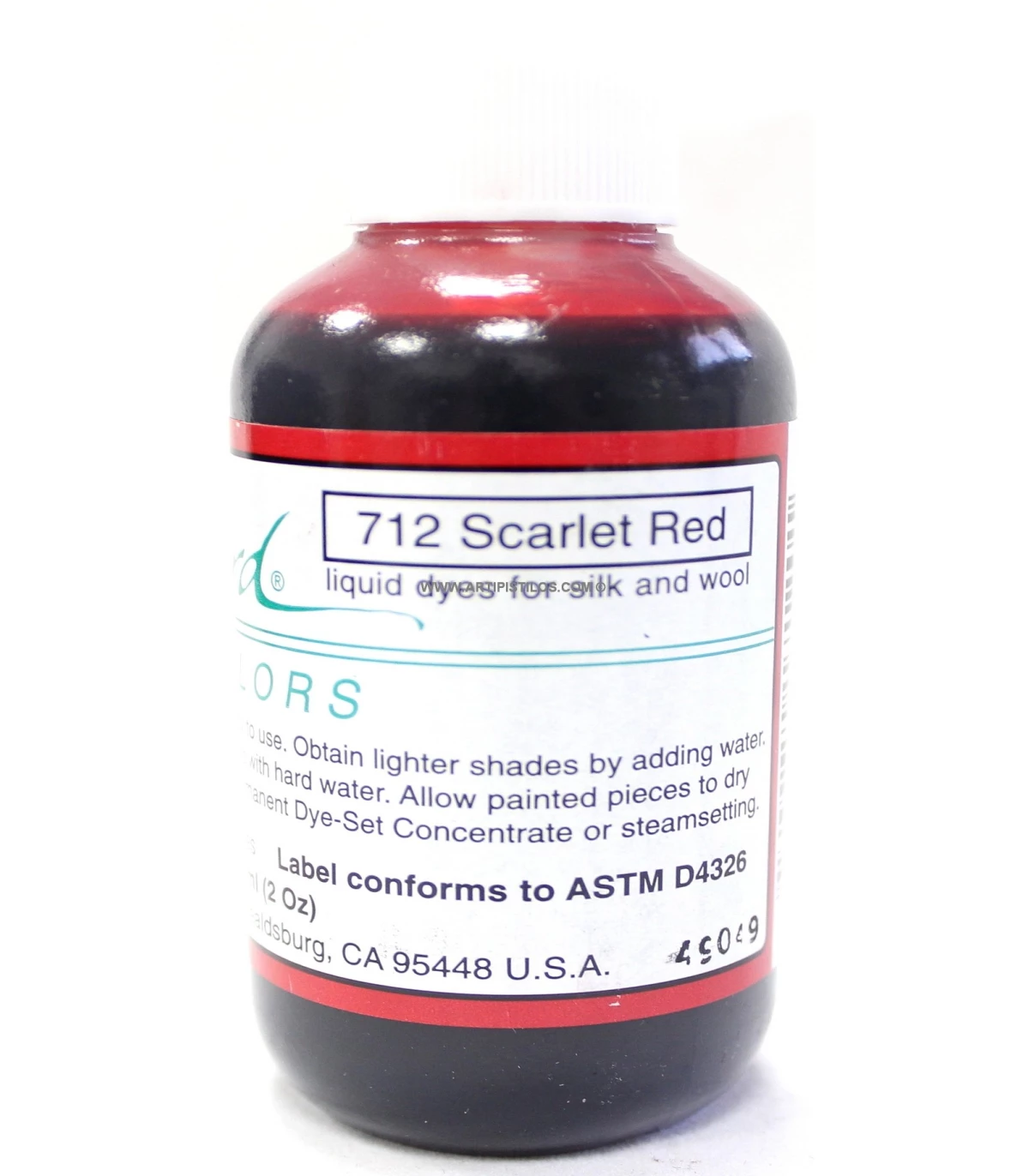
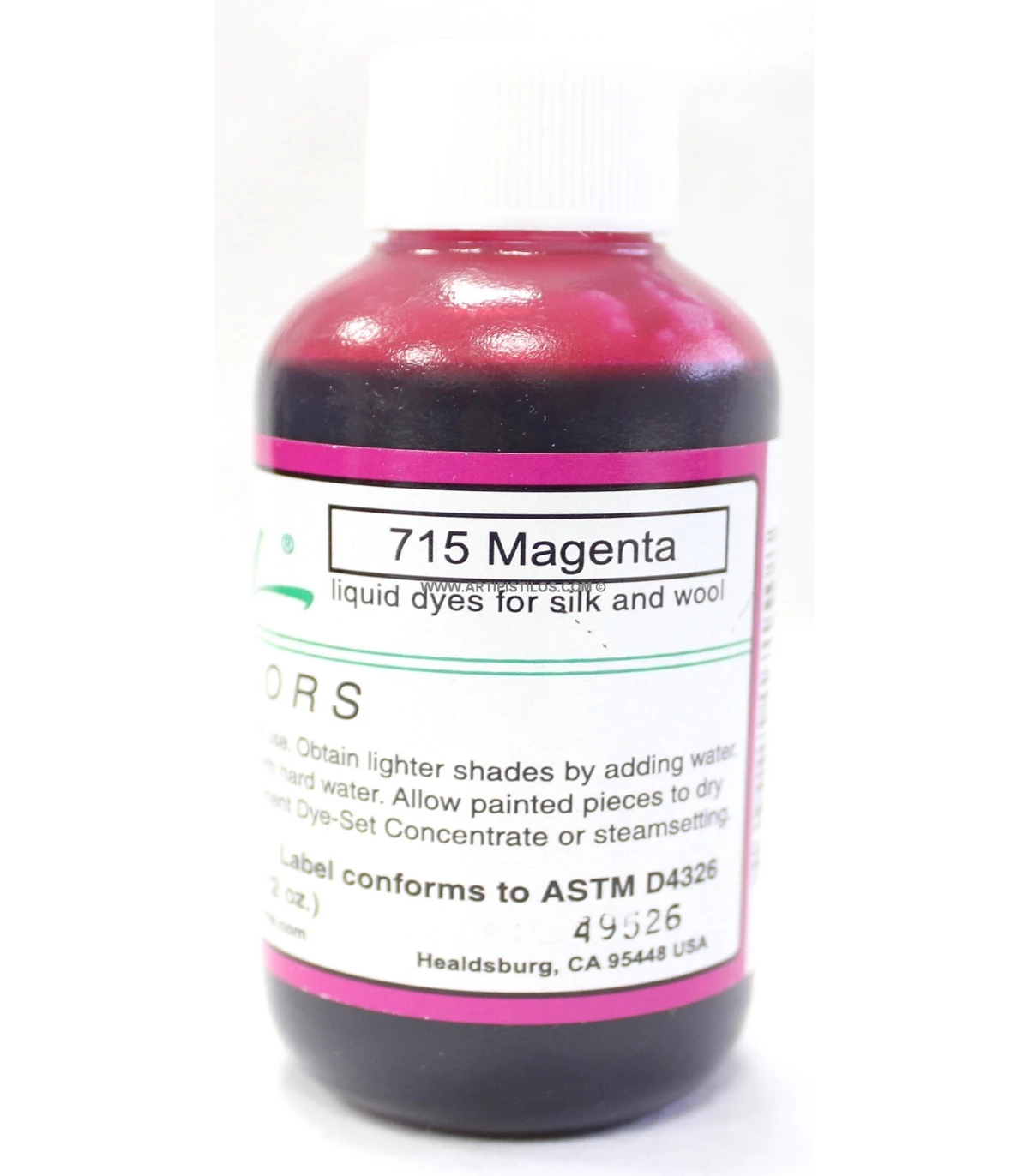
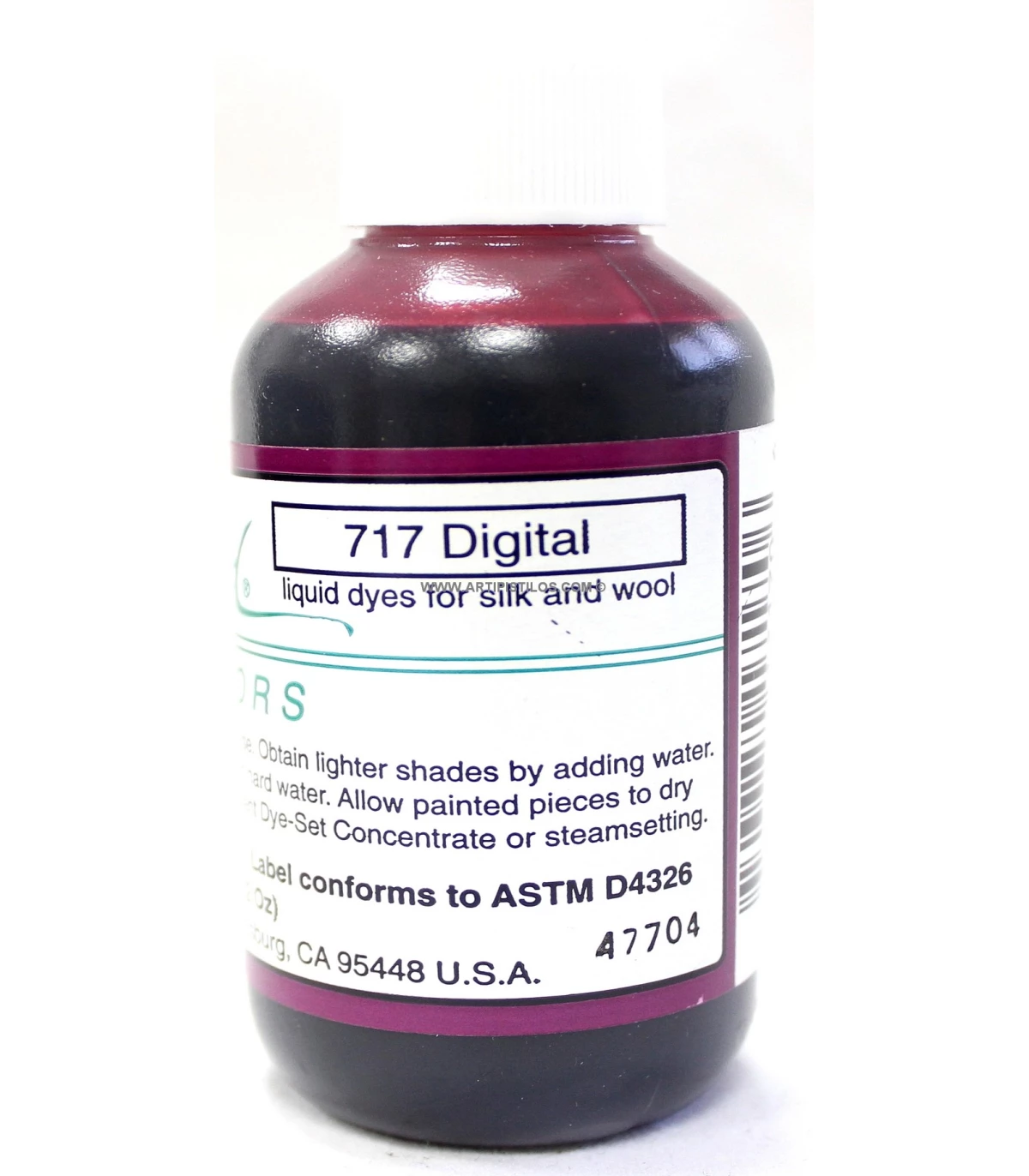
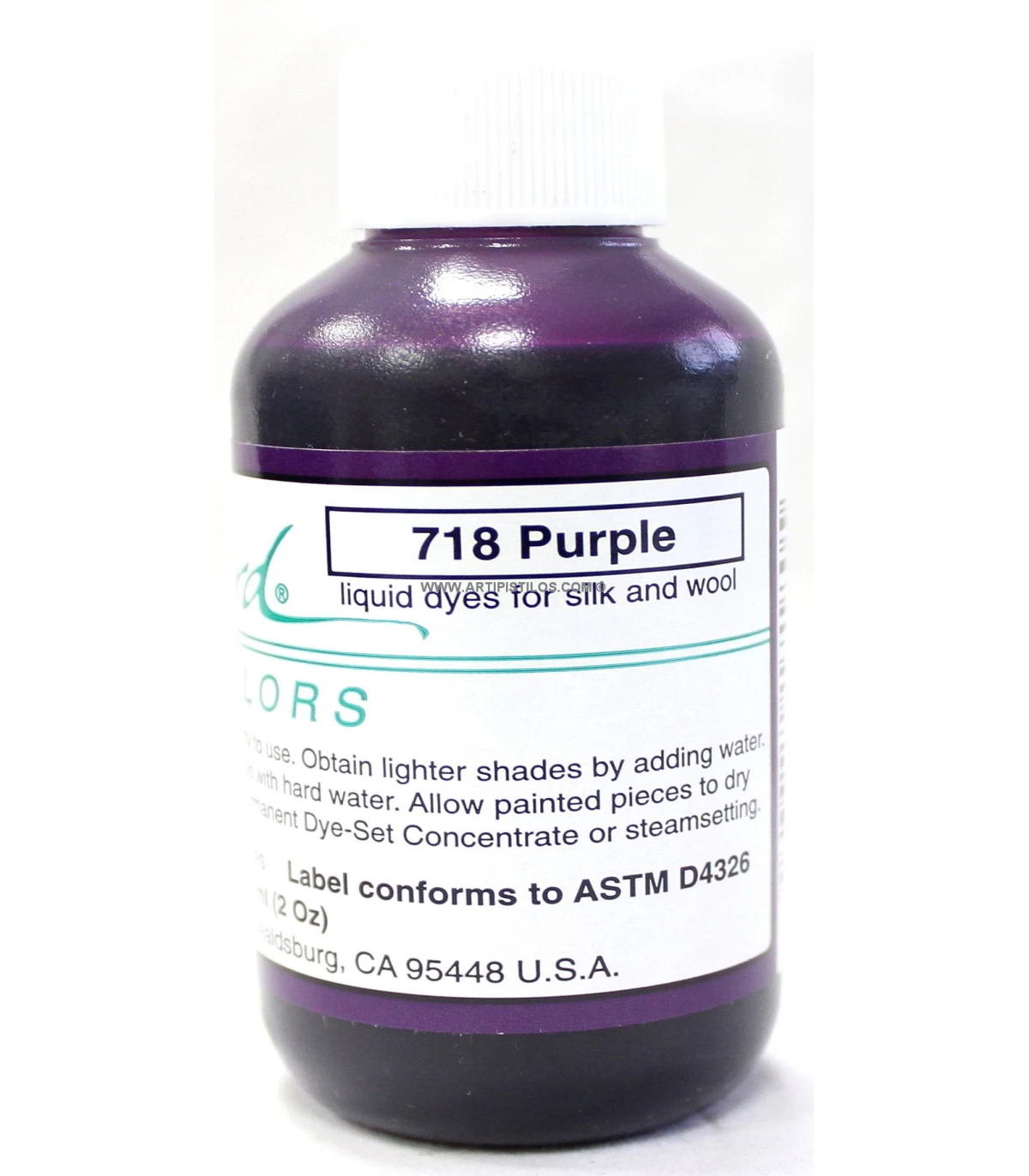
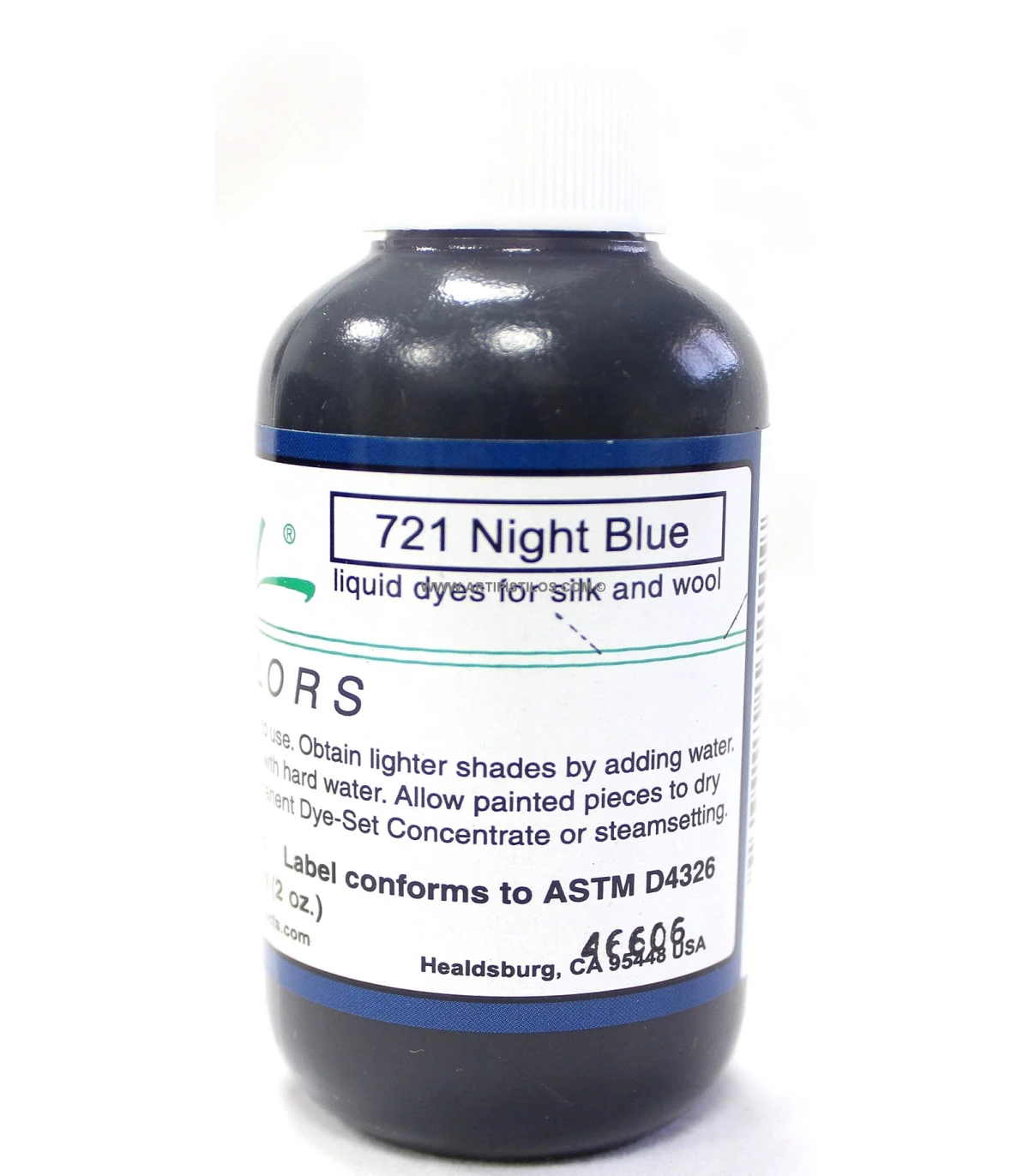
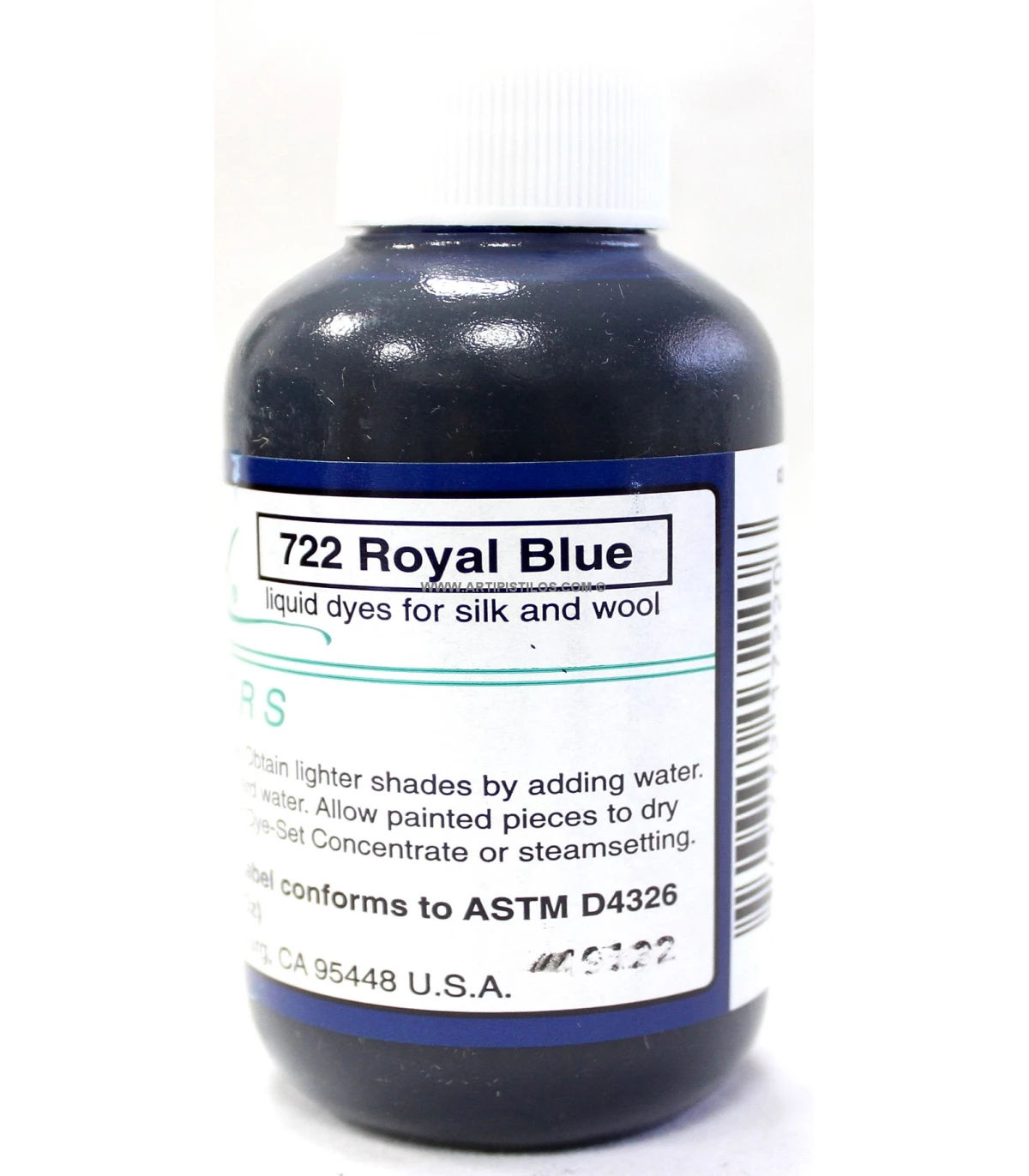
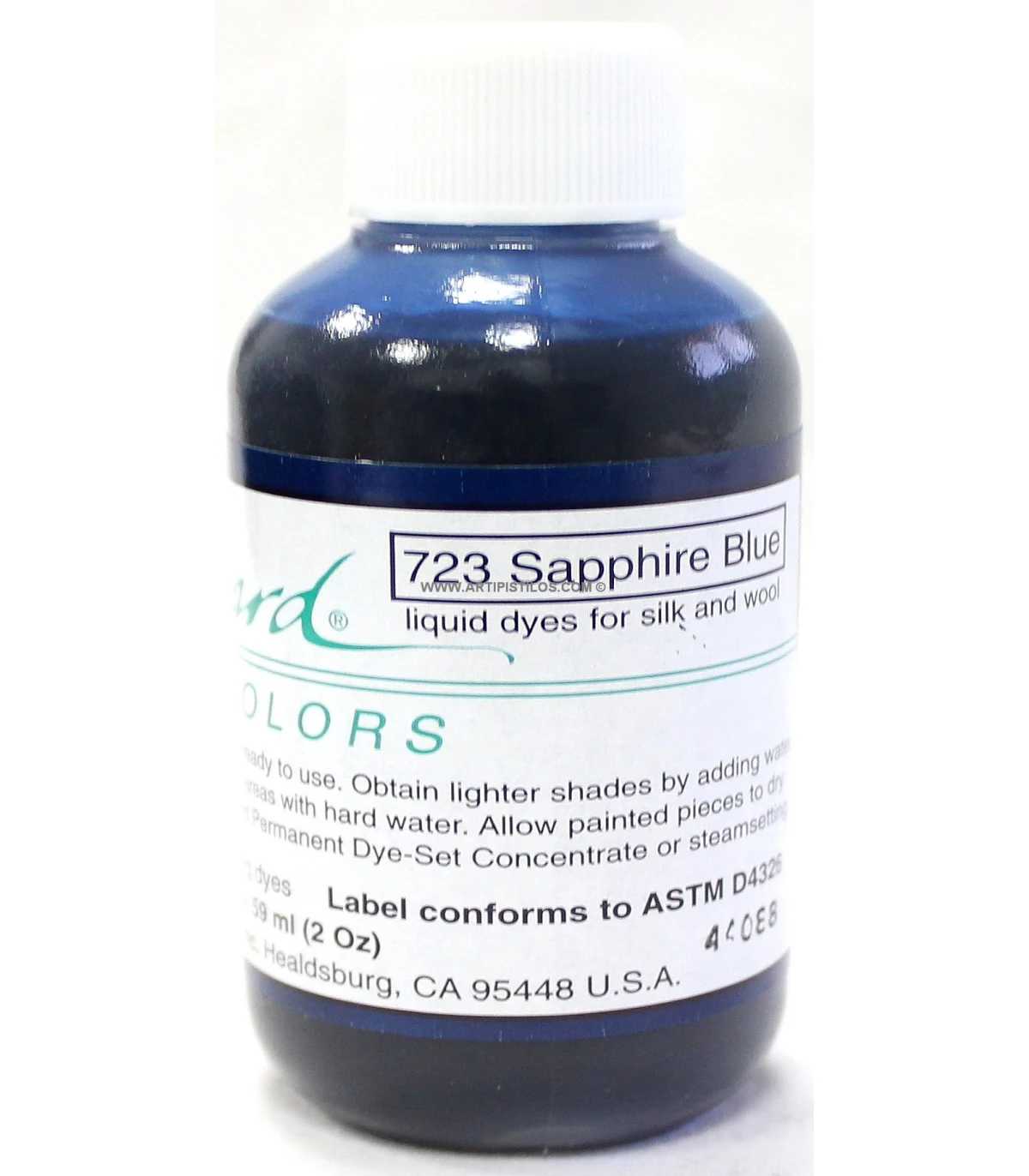
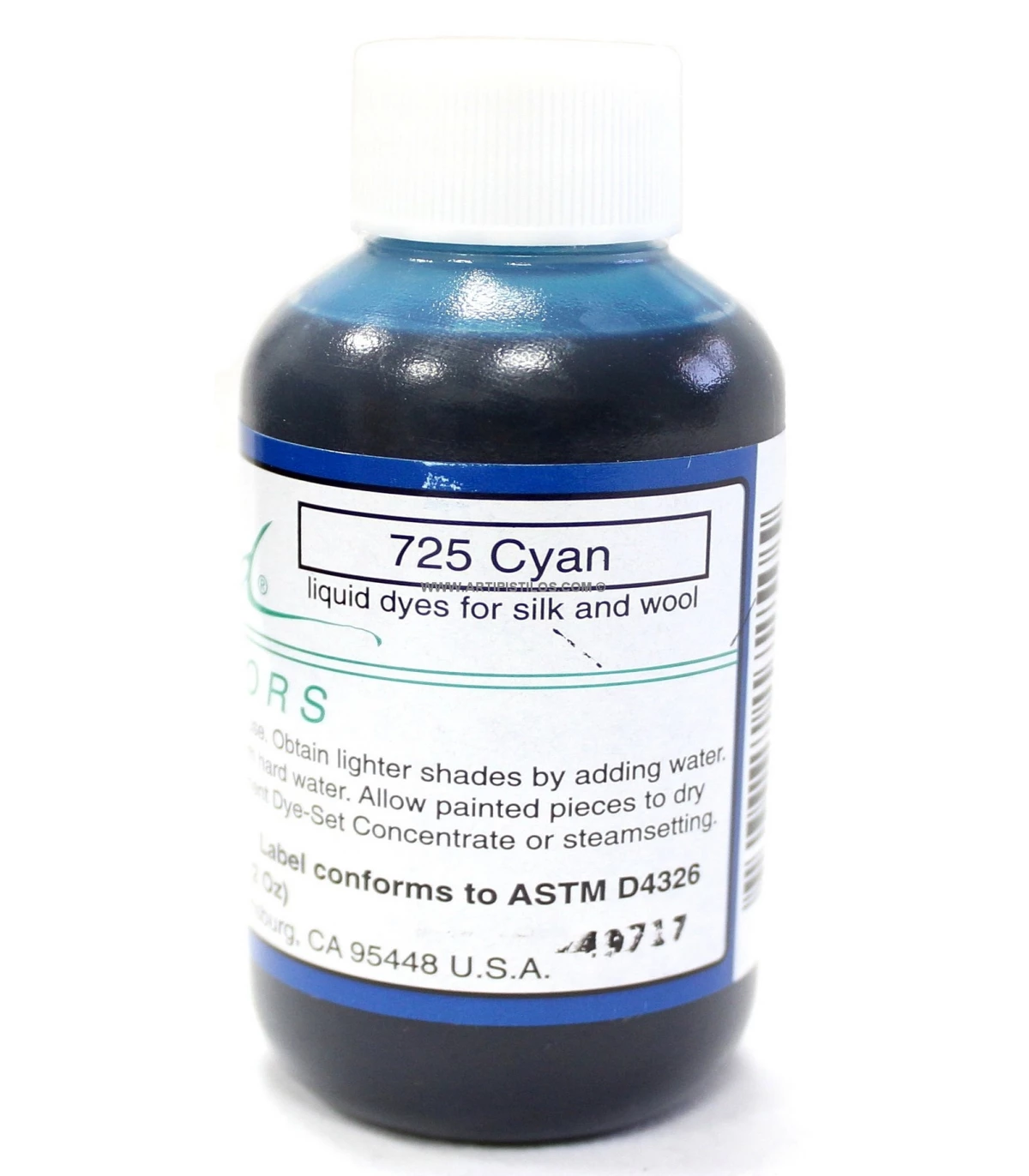
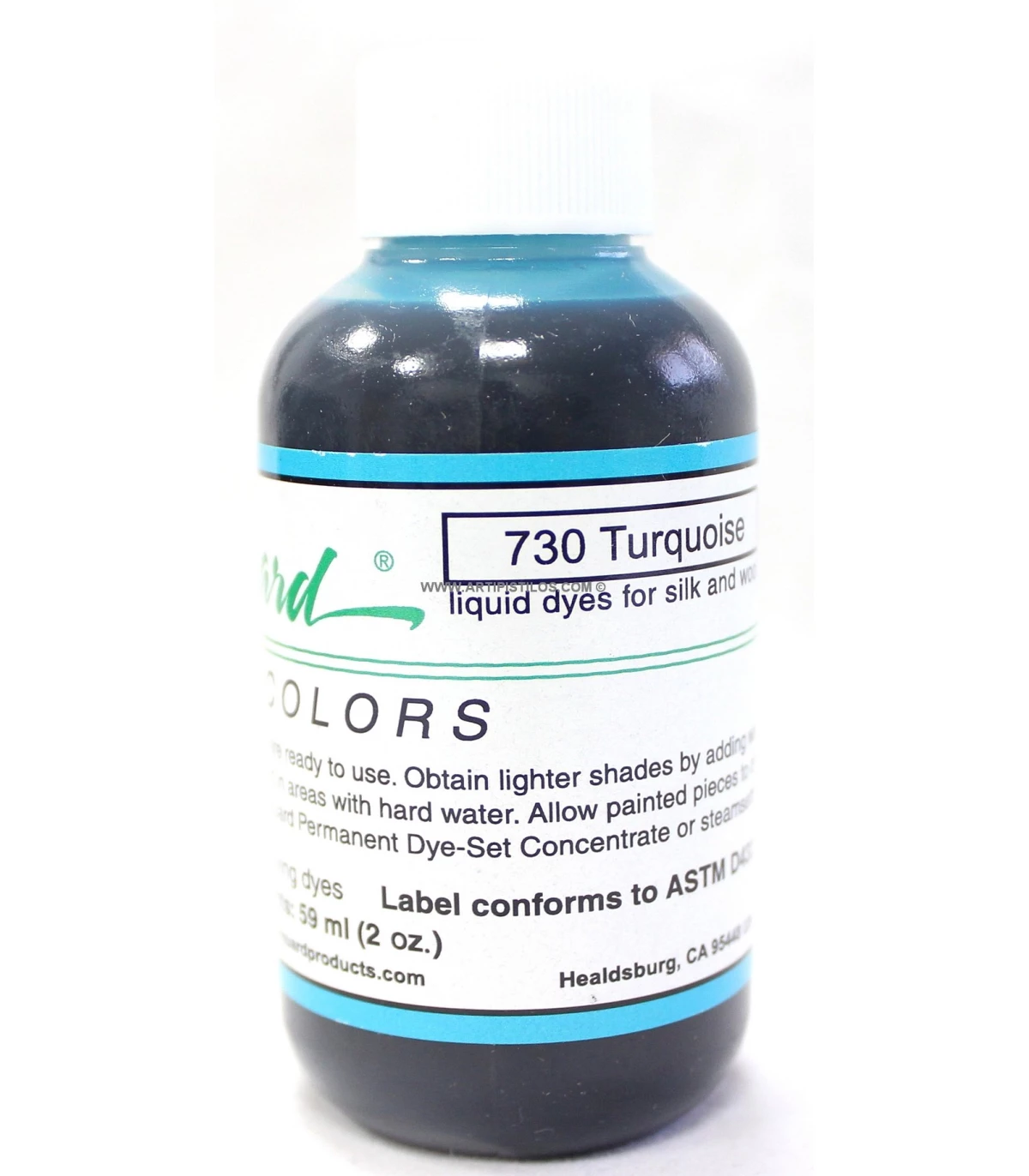
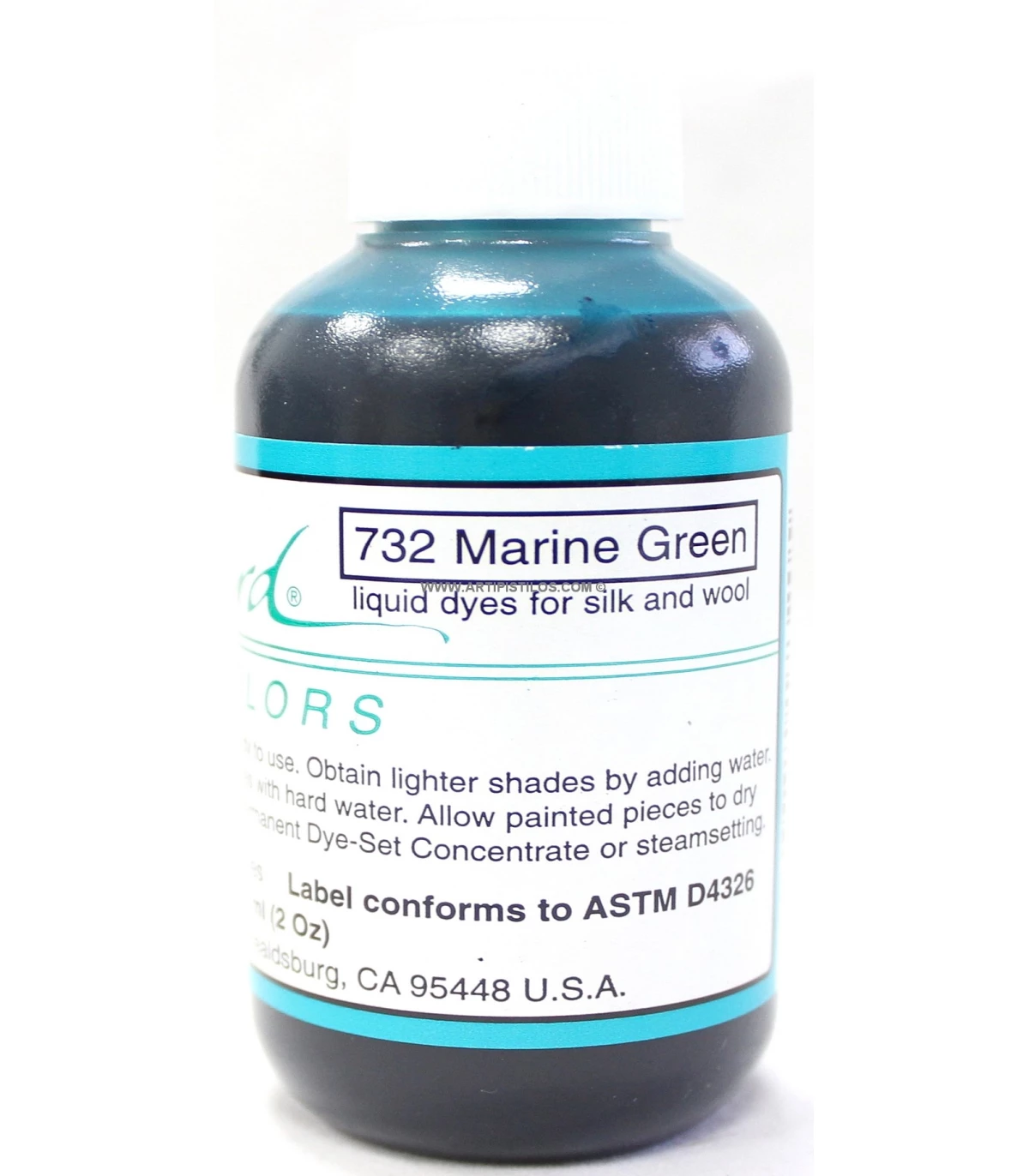
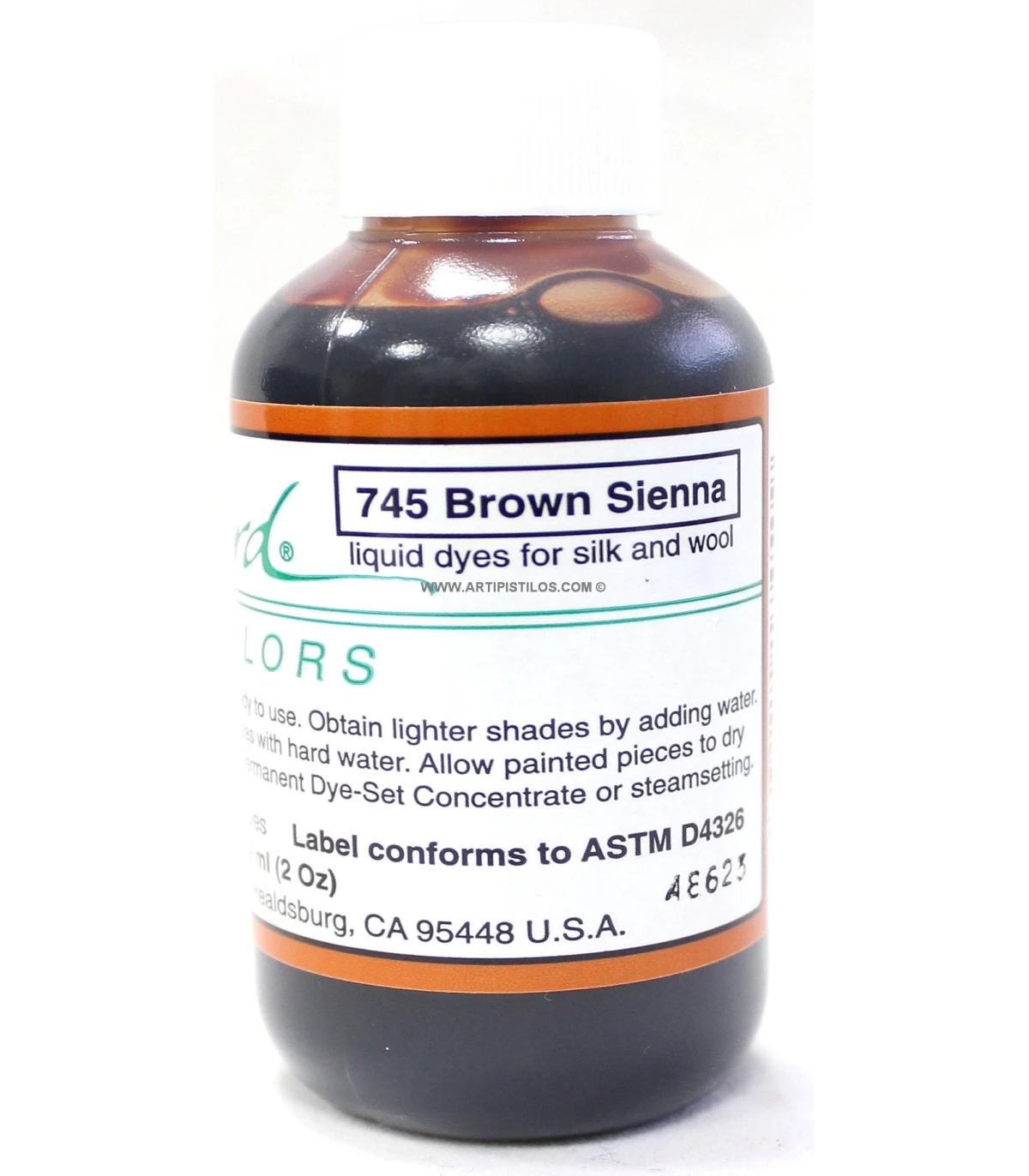
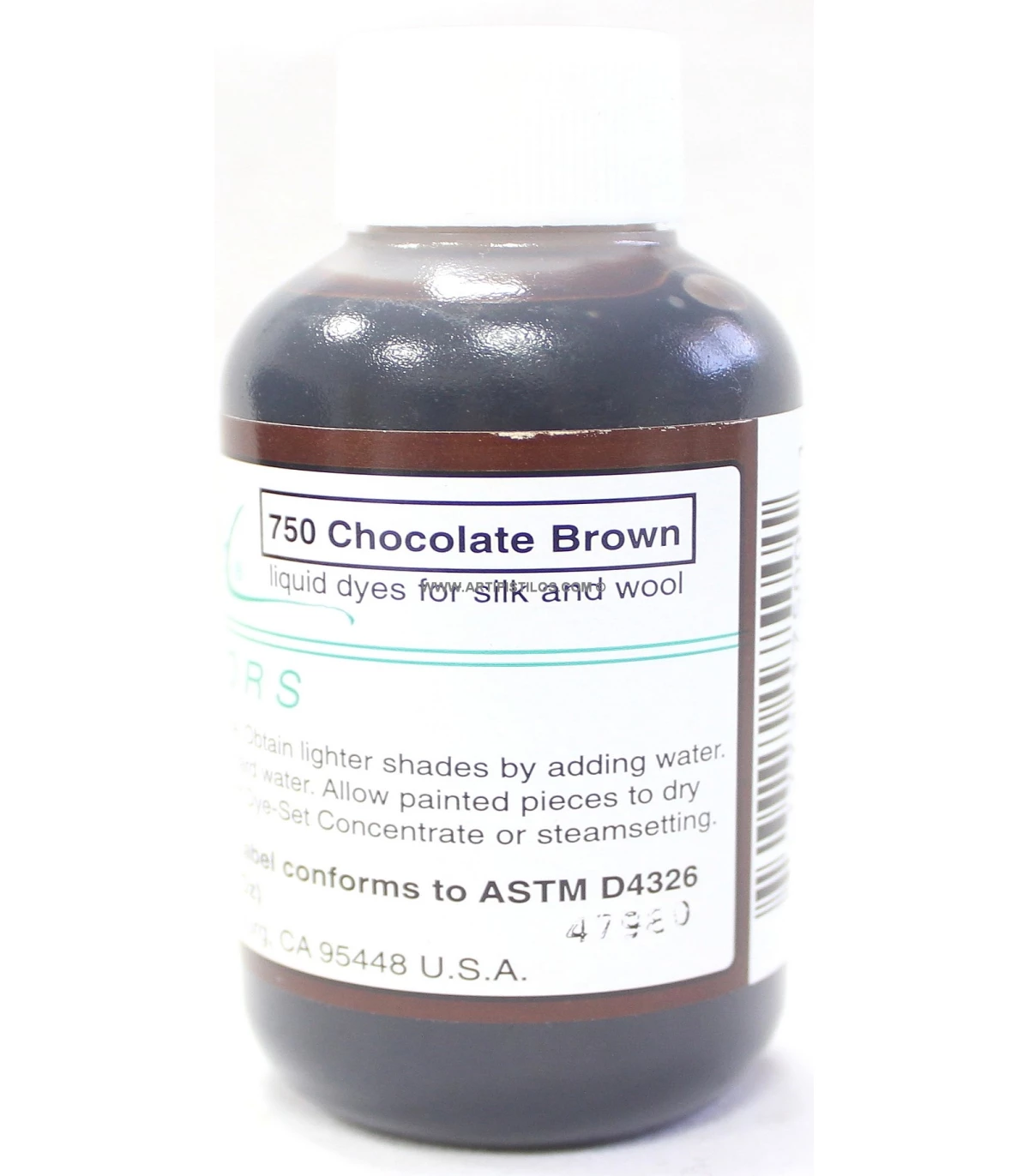
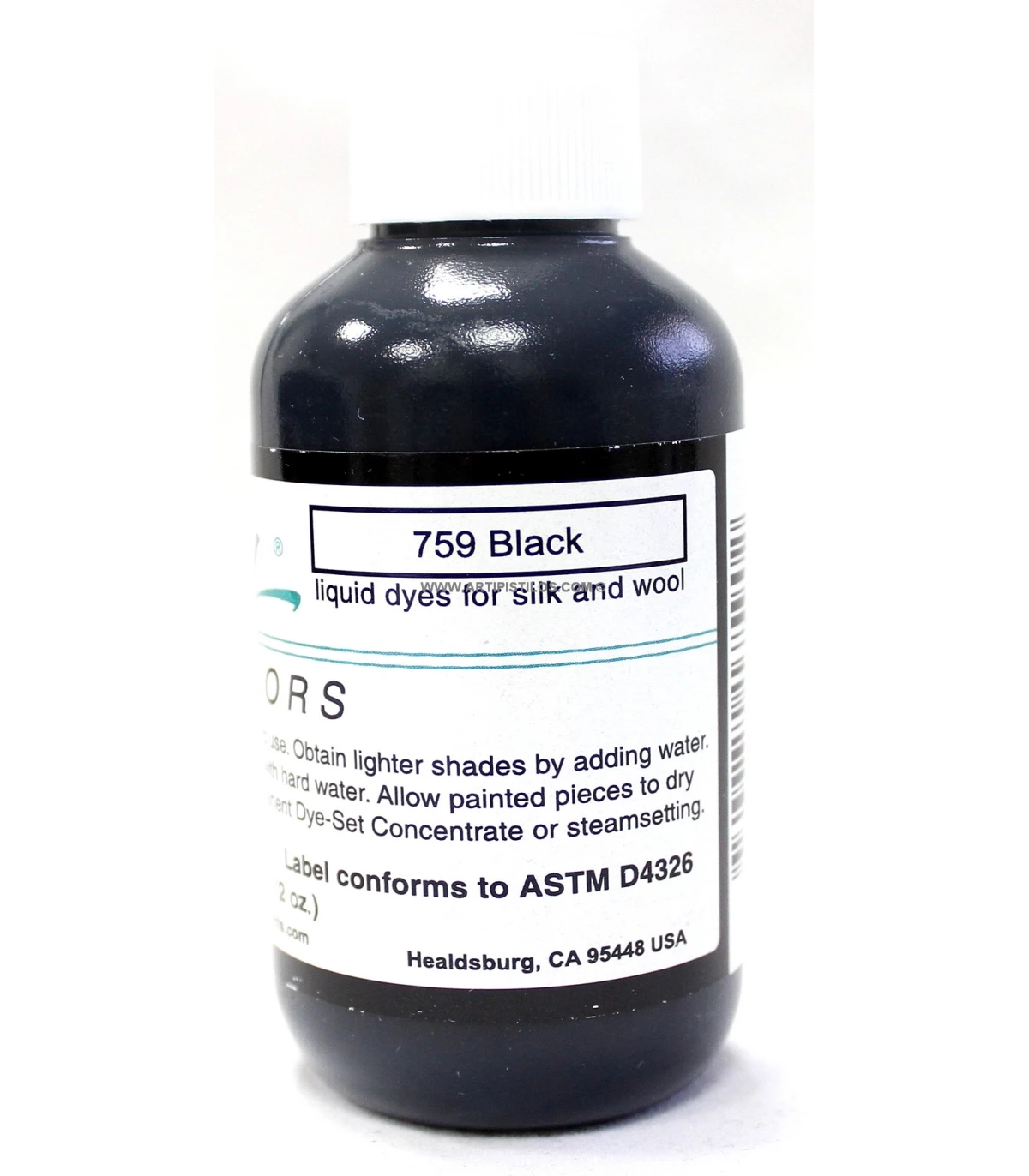
JACQUARD SILK COLORS DYE FOR SILK AND WOOL
Your price as an individual
€14.30 (IVA incl.)
€11.82 (Sin IVA)
Buy it now and receive it between Monday 2 and Thursday 5 with Correos
The contents of this bottle are ready to use. You can add water to create softer shades. After dyeing, leave to dry for at least 24 h. You can dye by immersion or with a spray. Suitable for dyeing: silk, wool, feathers and other protein fibres.
Instructions
Painting with Jacquard Silk Colors is a fun and easy way to create hand-painted silk garments and artwork with a beautiful, professional look. Use them to make scarves, clothing, wall hangings, cushions and more. Because they are true dyes, Jacquard Silk Colors do not stiffen the fabric at all, and the natural sheen of the silk shines through. All 20 colours can be mixed to create an infinite range of bright colours, or diluted with water to create soft pastels.
Jacquard Silk Colors flow freely on silk fabric. The three most common silk painting methods differ in how they control the flow of the dye. In the serti method, a resist is used to draw lines that stop the dye from flowing. The antifusant method coats the fabric with a substance that inhibits the flow of the dye. And finally, the watercolour method lets the dye flow freely. The most common is the serti method, which we will describe first. We will then explain how the other two methods differ.
Materials:
• silk scarf or fabric
• resist (Gutta, water-based resist or permanent metallic resist)
• plastic cups or an ice cube tray for mixing colours
• Jacquard Silk Colors
• brushes
• water
• silk pins or tacks for stretching the fabric • stretcher frame
• paper towels
1. Prepare and stretch the fabric. Prewash to remove any oils or dirt using Synthrapol or liquid detergent. Leave to air dry. Before painting, the silk must be stretched taut and suspended above the work surface. Inexpensive canvas stretcher bars are available from art shops and framing shops. Buy stretcher bars 1-2” larger than the silk you are going to paint. Embroidery hoops are ideal for small projects, and many art shops sell frames made specifically for stretching fabric. Adjust the frame to fit your fabric and secure the silk with stainless steel pins or silk tacks. Start at one corner and work your way around the frame, pulling the fabric taut as you go.
2. Apply the resist. In the serti technique, lines are drawn on the fabric with gutta and the dyes are applied within these lines. When painted on, the dyes will flow and spread across the silk until they reach the resist lines. The gutta resist acts as a boundary between colours, much like the lead in a stained-glass window. These islands of colour can be blended, highlighted or accented with other colours. (See watercolour technique below)
a. Pour the resist into the applicator bottle, replace the plastic insert and screw on the metal tip.
b. If you are using a pattern, centre it on your work space and place the stretched fabric over the pattern. Most silks are light enough for the pattern lines to be visible through the fabric. Trace the pattern with the gutta, or trace it lightly in pencil and then go over the pencil lines with the gutta.
c. Hold the gutta bottle as you would a pencil. Gently squeeze the bottle until the resist starts to flow. It is a good idea to practise on a separate piece of silk or paper until you get the feel of drawing smooth, flowing, continuous lines.
d. Start drawing your pattern. Move steadily, but not so fast that you leave gaps in your lines. All lines must be connected, or the dye will seep through the gaps in the gutta line.
e. Once you have finished the design, examine the lines carefully. Make sure the gutta has penetrated through to the back. Thin the gutta with gutta solvent if necessary. Go back and fill in any gaps, then leave the gutta to dry completely, usually 30 minutes. You can use a hairdryer to speed up the drying time.
3. Mix and apply the dye. Although Jacquard Silk Colors are available in 20 shades, most colours of the spectrum can be mixed from three primary colours: yellow, magenta and cyan. Using the colours at full strength will give the brightest shades. For pastels, the dyes can be mixed with water. If your water is hard, use distilled water. Remember that colours look darker when wet.
a. Pour a small amount of each colour you plan to use into plastic cups or an ice cube tray. If you are mixing colours, make sure you mix enough to complete your project, as it can be difficult to recreate exactly the same shades later.
b. Dip your brush gently into a colour. Touch the brush to the fabric about 1/2” from the gutta line. The dye will migrate the rest of the way. Paint all the areas within the gutta lines. For large areas, work quickly, painting the colour from corner to corner. Always work wet into wet. Never go back over an area that has dried.
c. Leave to dry for 24 hours before fixing with Jacquard Permanent Dyeset Concentrate or by steaming.
Fixing the dye
Jacquard's green-label "Silk Colors" can be fixed in two ways: with Dyeset Concentrate or by steaming. The Dyeset Concentrate method is very easy and the resulting colours are truly beautiful. However, steaming will produce the best possible colours.
Dyeset Concentrate method:
1. Prepare the water/Dyeset rinse in a container large enough for your piece to move freely in the liquid without being crumpled.
2. A 36” x 36” square of fabric requires approximately 3 quarts of water. Add 1 oz. of Dyeset per quart of water. (If you are painting on a heavier fabric, add a little more.)
3. Immerse the piece quickly in the solution, agitating vigorously for the first 30 seconds. Continue agitating for 4-5 minutes. Do not let the fabric settle.
4. Remove from the Dyeset. Rinse again with mild soap and water until the water runs clear and the excess dye has been rinsed out. Leave to dry flat and you are done.
Steaming:
Steaming takes longer, but the colour yield is very intense. Commercial steamers are available, or smaller pieces can be steamed at home using the following method. You will need a large pot with a rack that fits inside it, plain white newsprint, masking tape and aluminium foil.
1. Roll the fabric up in the newsprint, making sure there is a layer of paper between each turn of fabric. The paper should extend a few centimetres beyond the fabric at each end of the roll.
2. Once all the fabric has been rolled up, wrap the bundle a few more times in newsprint. Secure the roll with tape along its length. Gently coil it until it is a size that will fit in the pot. Secure with tape.
3. Place the rack in the pot. Pour in water to a level well below the bottom of the rack. Make sure the top of the rack is dry and place the bundle on the rack.
4. Shape a piece of aluminium foil into a dome and place it over the bundle to protect it. This will stop condensation from dripping onto the silk. Make sure neither the bundle nor the foil touches the sides of the pot.
5. Cover the pot with the lid. Place the pot on the hob and bring the water to the boil. Reduce the heat, but keep it high enough to produce steam. Steam the bundle for 1 hour. Leave the bundle to cool. Unwrap the silk and rinse in cold water to remove the excess dye. Leave to dry flat and you are done.
Other application methods
Antifusant method:
Instead of resist lines, this method uses an antifusant applied to the back of the fabric to control the flow of dye. Once the antifusant has dried, you can apply the dye directly to the fabric and it will stay in place.
Watercolour method:
This method lets the dye flow freely on the fabric. You can use a water brush or a sponge to dampen the fabric before applying the dye. This will create a softer, more diffused look. Make sure you apply the dye quickly before the fabric dries.

1 comentarios (5.0/5)